
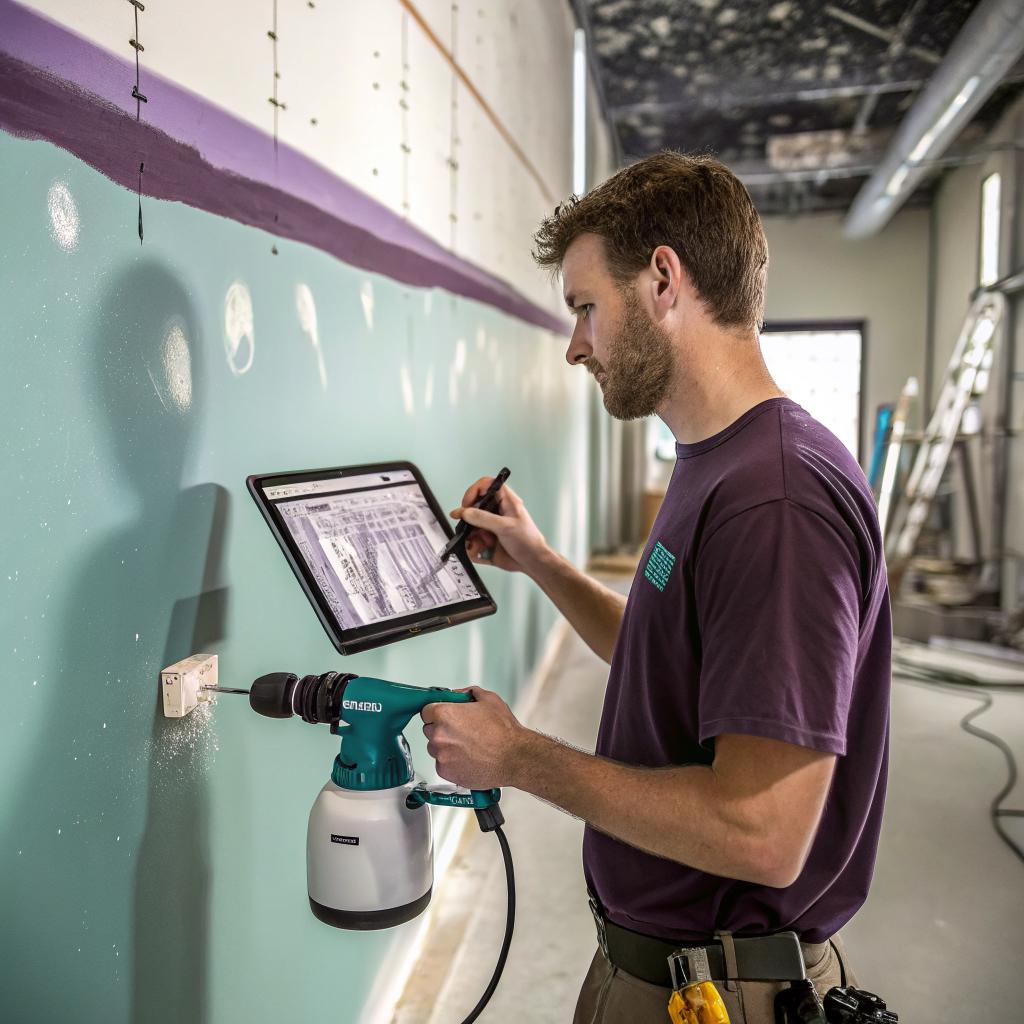
What if I told you some local paint crews are running jobs with project boards, QR codes, and virtual color previews like a SaaS team runs a sprint backlog?
That is what is quietly happening in Colorado Springs. Many Painting Contractors Colorado Springs are using very simple tech stacks to book more jobs, pick better colors, keep crews on time, and protect margins that used to disappear in phone tag and messy change orders. In plain terms: they use apps and basic tools to shorten sales cycles, reduce rework, and give customers fewer chances to say “this is not what I expected.”
How tech is changing a very old trade
On the surface, painting looks low tech. Brushes, rollers, ladders. Pretty hard to disrupt, right?
But the work around the paint is where tech sneaks in:
- Finding customers
- Winning bids
- Planning jobs
- Communicating with crews
- Getting paid
In Colorado Springs, that entire loop is moving from paper and guesswork to phones, tablets, and fairly simple software.
I will go through the main areas, but keep in mind something that matters a lot for people who care about tech and startups:
The most useful tools in this space are not exotic. They are boring SaaS and mobile apps wired together in a way tradespeople will actually use.
So if you build products for field service, this is a very real test bed.
Digital leads instead of yard signs and hope
Old model: slap a yard sign in front of a fresh job, maybe buy a Yellow Pages ad, and hope neighbors call.
New model in Colorado Springs: treat lead gen like a small marketing team would.
Search, reviews, and local SEO
Nearly every serious painting company in the city treats Google as their real storefront. That means:
- Fully built Google Business Profile with current photos, hours, and service areas
- Active review requests sent by text after jobs
- Tracking which jobs came from “near me” searches
Many owners keep a simple spreadsheet or a CRM field to track the source of each job: search, referral, yard sign, or ad. It sounds basic, but most trades skipped this for years.
Some of them even A/B test small things without calling it that. For example:
- Changing photo order to see if cabinet photos convert better than exterior homes
- Experimenting with different job descriptions on Google and monitoring call volume over a month
They might not care about jargon, but they do care about whether the phone rings.
Online quoting funnels
Quite a few Colorado Springs painters now use online quote forms that collect:
- Address
- Rough square footage or room count
- Photo uploads
- Preferred time of day for a visit
Then they feed that data into simple templates. Some go one step further and send a price range before they even drive out.
This shortens the sales cycle. It also filters out people who are expecting “my cousins friend will do it for $200.”
For a tech or startup reader, this part should look very familiar. It is lead scoring and funnel management, just for paint instead of software.
Virtual color tools instead of guesswork and regret
Color selection can stall a project for weeks. People freeze when they have to pick from hundreds of whites that look almost the same.
Colorado Springs painters are leaning on color tools to speed that up.
Color visualizers and AR apps
Most major paint brands now offer:
- Web based color visualizers where you upload a photo of your room or house
- Augmented reality apps that overlay color in real time with your phone camera
Many local painting companies walk homeowners through these tools during the estimate. A few even bring a tablet to:
- Load a photo of the customers living room or exterior
- Apply 2 or 3 color schemes on the spot
- Save those options in a shared folder or email
Something small happens here that matters a lot for both sides:
When a customer “sees” the color on a screen first, they are less likely to blame the painter for their own change of heart.
From a business angle, fewer change orders and repaints mean fewer lost days and fewer awkward “who pays for this” conversations.
Simple color data, not intuition
Some owners keep a running list of “safe” color choices in a Google Sheet or notes app:
- Top neutral interior colors from the last 50 projects
- Trending exterior colors that still work with Colorado light and stucco or siding
- Combinations that sold houses faster according to local agents
Is this data science? No.
Is it better than picking whatever looked good on Instagram last week? Absolutely.
For founders, there is probably still room for better tools here: think color recommendation based on zip code, architecture style, and resale data.
Estimating with phones, not napkins
Estimating is where painting companies often lost money. Underestimate and you work for free. Overestimate and you lose jobs.
Tech is closing that gap.
Measurement and takeoff apps
Many painters now use mobile apps to:
- Measure room dimensions with the phone camera or lidar on newer phones
- Calculate wall square footage automatically
- Account for windows, doors, and ceiling height quickly
Some use mapping tools for exteriors by tracing rooflines and wall areas on satellite images. This is far from perfect, but it creates a starting point that saves time.
Then they feed those measurements into simple pricing formulas they have refined over years.
The big win is not perfect accuracy. It is consistent accuracy across estimators and across jobs.
Once you reach that point, revenue and margin forecasts get calmer. Owners can predict next month better. That is rare in trades.
Photo and video notes
Instead of scribbling “south wall peeling” in a notebook, estimators in Colorado Springs increasingly:
- Snap close up photos of damaged areas
- Record short voice notes about prep work needed
- Attach this to the job record in basic field service software or shared cloud folders
When the crew shows up, they already know what they are facing. Less “I did not know we had to fix all this” on site.
For tech builders, this is a strong signal. Painters do not need heavy interfaces; they want fast capture with low friction, often offline.
Job management like a small dev team
This is the part I find most interesting. Some painting companies in Colorado Springs run projects in a way that would not look strange to a product team.
Digital job boards and scheduling
Instead of whiteboards in the shop, owners now work in:
- Field service management tools
- Project management tools adapted for trades
- Simple calendar apps and shared spreadsheets for smaller outfits
Basic features they rely on:
- Assign crews to jobs with start and target finish dates
- Track job status: scheduled, in progress, punch list, complete
- Record materials used, hours worked, and any change orders
Larger companies sometimes run weekly planning calls that sound a bit like sprint planning:
“Here is the backlog of scheduled jobs, here are weather risks, here are the crews, here are constraints. What gets done this week?”
Not Agile in name, but very Agile in spirit.
Checklists and QR codes on site
To keep quality more consistent, some companies print job specific checklists, often tied to digital records with QR codes:
- Scan a code at the job site to see tasks, colors, and photos
- Tick off surface prep, masking, priming, first coat, second coat, cleanup
- Capture final photos before leaving
This creates a light audit trail. If a customer calls later, the owner can see: who was on site, what they did, and when.
Is it perfect? Not really. People still forget to scan. Phones die. But it is a big step up from “I think we did that last Thursday.”
Customer experience with apps and automation
A lot of friction used to live in communication. Missed calls, vague arrival windows, unclear invoices.
Tech is smoothing that out in Colorado Springs.
Text updates and simple automation
Many painting companies now:
- Send automated text reminders for estimates and job start dates
- Text a photo of the crew lead before the first day so the customer knows who is walking in
- Send progress updates at milestones, especially for multi day jobs
Some run this through their field service tool. Others use fairly plain automation through calendar triggers and SMS platforms.
For the homeowner, this feels like basic respect. For the painting company, it lowers no show risks and builds trust without huge overhead.
Online approvals and signatures
Instead of printing multi page proposals, many companies:
- Send digital quotes that the customer can approve by e-sign
- Include color selections, scope details, and prep work directly in the document
- Lock pricing to a time window to protect against material price jumps
This shortens the path from “I like your price” to “booked in the calendar.”
There is also a small legal comfort here. Clearer contracts mean fewer surprises on both sides.
Payment tech and cash flow control
Here is where tech interest and real world stress meet. Trades live or die on cash flow.
Digital payments and deposits
Colorado Springs painters have moved far away from “cash or check only.” Many now:
- Take deposits by card, ACH, or payment links
- Collect balances on site with mobile readers or QR code invoices
- Offer simple installment options through third party pay over time tools
Shorter time from job completion to money in the account means fewer nights worrying about payroll.
By the way, this is an area where I sometimes think painters rely a bit too heavily on payment platforms with high fees. Some owners do not compare rates or understand the total cost. There is room for better education or tools here.
Basic financial dashboards
Some of the more tech friendly owners sync:
- Field service data
- Accounting software
- Simple reporting tools
From there they watch:
- Average job size by type
- Gross margin by crew
- Monthly revenue compared to last year
No one is running complex models. But knowing that “cabinet jobs in zip codes X and Y have higher margins and fewer callbacks” is very real value.
Quality control with photos and simple data
For most customers, “quality” is subjective. For painting companies, that vagueness is dangerous.
Tech gives them at least some structure.
Before and after photo logs
Almost every serious painter in Colorado Springs keeps photo history for each job:
- Original condition
- Prep stage photos, including repairs and masking
- Final finishes
These photos live in cloud storage or field service records.
This helps with:
- Training: new painters can see what “good prep” looks like
- Disputes: owners can show that cracks were already present or that siding was damaged
- Marketing: real local work instead of stock photos
There is an opportunity here for smarter organization. Most painters are stuck with generic cloud folders. Tagging by room type, substrate, or issue type would save time.
Customer feedback loops
Post job surveys are common now. They are usually short:
- Rate communication, punctuality, cleanliness, and final result
- Open comment box for anything that did not go as planned
Some companies track these in a very simple way:
| Metric | How it is captured | How it is used |
|---|---|---|
| Overall rating (1 to 5) | Post job survey | Bonus triggers and crew reviews |
| On time arrival | Customer yes / no | Schedule padding adjustments |
| Cleanliness | Customer rating | Extra training or gear where low |
| Referral intent | “Would you recommend us?” | Review requests and referral campaigns |
None of this is fancy. But over a year, it slowly shapes better service.
Recruiting and training with tech
Labor is a real constraint. Painters cannot just “grow 3x” if they cannot find and train crews.
Hiring through online channels
Instead of “help wanted” flyers at paint stores, many Colorado Springs companies:
- Post jobs on national and local boards
- Pre screen candidates with online forms that ask about experience, tools, and transport
- Use short video interviews or recorded answers for first pass screening
This keeps the owner from spending full days stuck in back to back in person interviews.
Digital training libraries
Quite a few companies in the area keep their own private “how we work” libraries:
- Short videos on masking windows, spraying doors, cutting clean lines
- Checklists for room prep and cleanup
- Guides on ladder safety and paint handling
These live in private YouTube playlists, shared drives, or simple learning tools. New hires watch on their own time, then shadow on site.
From a startup view, there is space here too. Better mobile learning tools that work offline, with quizzes and quick reference for field workers, could get real traction.
Weather, altitude, and local variables
Colorado Springs is not an easy place to paint. You have:
- Fast moving storms
- Strong sun at altitude
- Temperature swings that ruin curing if you guess wrong
Tech helps here in two ways.
Hyperlocal weather data
Many owners keep weather apps open constantly. Some go further:
- Track hourly forecasts for each job location
- Watch dew point and wind, not just temperature
- Use alerts for surprise rain or freezing nights
They use this to decide:
- Which days are safe for exterior work
- When to move crews indoor midweek
- When to switch products for lower temperature curing
It sounds small. It is not. One ruined exterior job costs days and thousands of dollars.
Material data sheets and product selection
Instead of guessing, many painters pull up technical data sheets on their phones while at the paint store or job site:
- Minimum and maximum application temperatures
- Recoat times based on humidity
- Recommended surfaces and primers
This reduces “we used the wrong product for this surface” errors that can peel a year later.
I have seen some crews still just trust what they used years ago. That can be risky. As paint formulas change, the tech sheets matter more than memory.
Opportunities and gaps for tech builders
If you care about tech and startups, you might be thinking: is there really room in painting? It feels so manual.
I think there is room, but only if you accept a few constraints.
What painters actually need from tech
Based on how Colorado Springs companies work, tools that succeed will likely be:
- Fast to learn, since turnover is real and training time is short
- Simple offline first mobile apps, since cell coverage on job sites can be spotty
- Clear on value, like fewer callbacks or faster estimates, not vague “productivity” claims
- Friendly to small teams, not just franchises with IT staff
A fancy dashboard that requires daily manual input will die in a week. A lightweight app that saves 20 minutes per estimate will spread.
Areas that still feel under served
From watching how these Colorado Springs painting companies operate, a few ideas keep coming up:
- Better AR that handles tricky lighting and surfaces for color previews
- Smarter scheduling that factors weather, crew skills, and travel time together
- Integrated job photo tools that tag and organize images without manual naming
- Simple forecasting tools that work from real field data, not just accounting numbers
- Modular training apps focused on trades, not generic course platforms
Would every painter pay for all of this? Probably not. Many are cost sensitive and suspicious of subscriptions. But the ones already leaning into tech are good early adopters.
Is tech actually making painting better?
Let me end with a question people ask a lot: is all this tech worth the hassle for a trade that has worked for centuries with brushes and ladders?
My honest answer is: it depends on what you care about.
If you are a homeowner in Colorado Springs, you probably do not care which app your painter uses. You care about:
- Clear communication
- People showing up when they say they will
- Fair pricing that does not creep up without cause
- A job that looks good and lasts
Tech helps painting companies deliver on those things more consistently. Not perfectly, but better than before.
If you are a founder or builder, you might care more about whether this space can support real products. From what I see in Colorado Springs, the answer is yes, but only if you stay very close to the day to day realities of field work.
Let me close with the kind of simple Q&A a homeowner or a curious tech person might actually ask.
Q: If I hire a painter in Colorado Springs, how can I tell if they use tech in a useful way, and why should I care?
A: Ask them a few direct questions:
- “How do you create and store estimates?”
- “Can you show me how you help clients pick colors?”
- “How do you keep track of job progress and communicate updates?”
- “How do you handle photo documentation and final approval?”
If they can show you clear digital estimates, color previews, and a simple system for updates, there is a good chance they have their process under control. That usually means fewer surprises for you and a smoother job from start to finish.