
The home office extension: the part nobody is pricing in
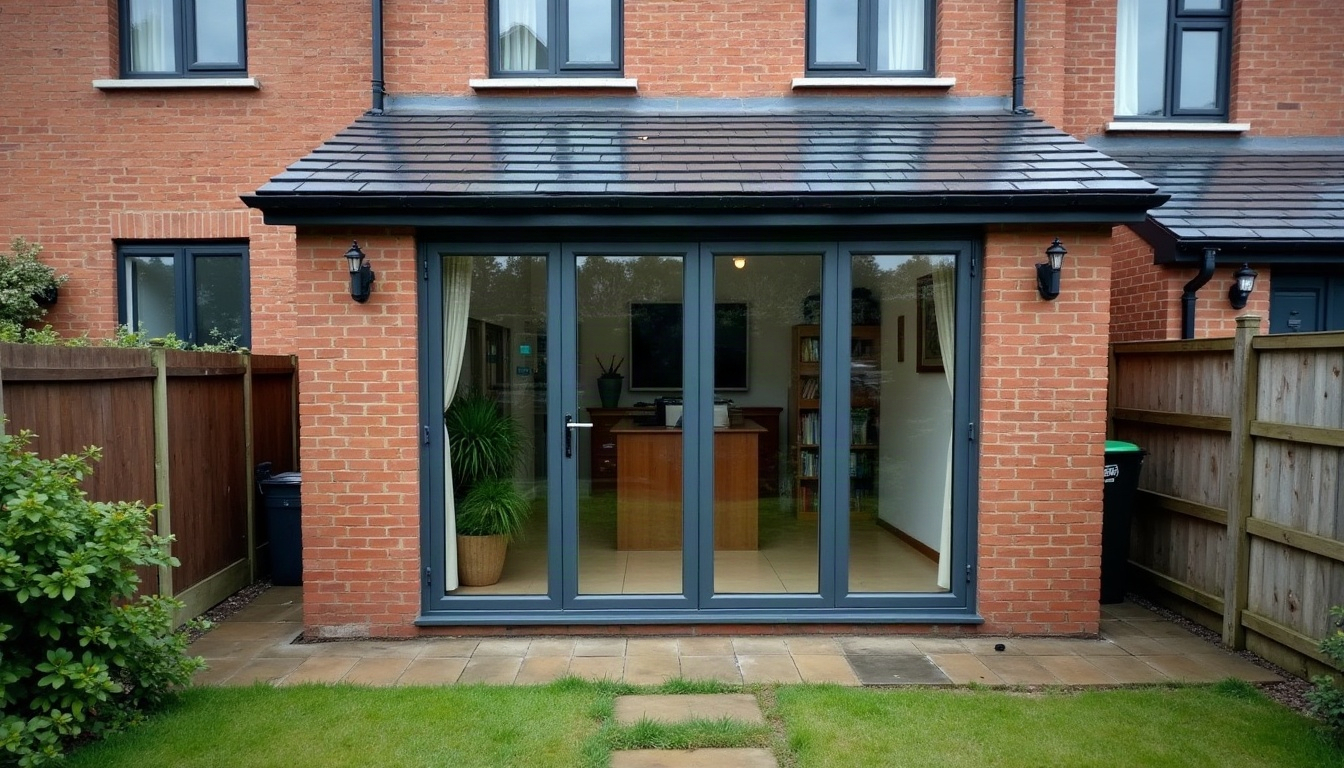
Building a spare room for remote work is a slower decision than renting a desk, and the part founders skip is that the room outlives the job.
Building a spare room for remote work is a slower decision than renting a desk, and the part founders skip is that the room outlives the job.

Hybrid work gave us permanent home offices, and the floor underneath is the one line in the budget that nobody has priced in.

The bank-teller/cashier analogy and the defense’s claimed need for expert context, focused on prejudice rather than abstract authority.

The home office is a permanent room, and the ceiling above the desk is on camera all day. We look at who decides what happens to it.
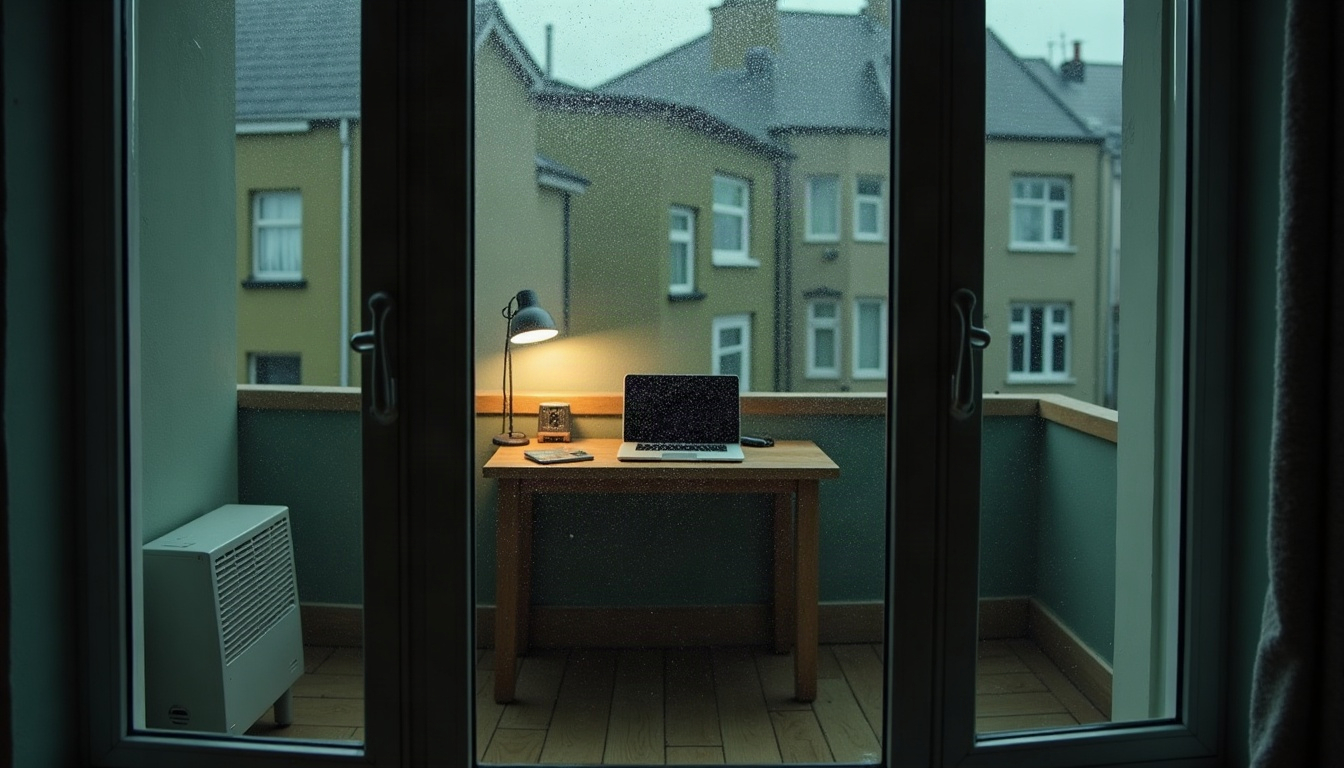
Remote work gave us the home office but never asked about the wiring behind it, and renters are the ones who quietly pay for that.

Firms ship remote staff a chair and a monitor, then forget the house they plug into. The stipend is the easy part; the circuit is not.
Hindsight bias is one of the most well-documented cognitive distortions in behavioral psychology. Once you know how something turned out, it is nearly impossible to evaluate the decision that preceded it as if you did not know the outcome. This bias is dangerous in any context. In a courtroom, it can be the difference between … Read more

“Remote teams do not fail from lack of tools. They fail from lack of trust that actually feels human on Zoom.” The market for virtual team building has grown into a multi-billion dollar line item, but most remote workers still mute themselves, roll their eyes, and wait for the “fun activity” to end. The gap … Read more

“If your dev team ships features at the cost of their mental health, you are not growing a company, you are burning capital.” The market quietly started to price mental health into valuations years ago. You can see it in longer release cycles, calmer roadmaps, and founders who talk more about retention than raw headcount. … Read more

“The next unicorn will not win by talking more. It will win by interrupting less.” Investors have started to discount companies that live on Zoom. Remote-first startups that switch 60 to 70 percent of their internal communication to async often report faster ship cycles, lower attrition, and cleaner decision logs within twelve months. The market … Read more