
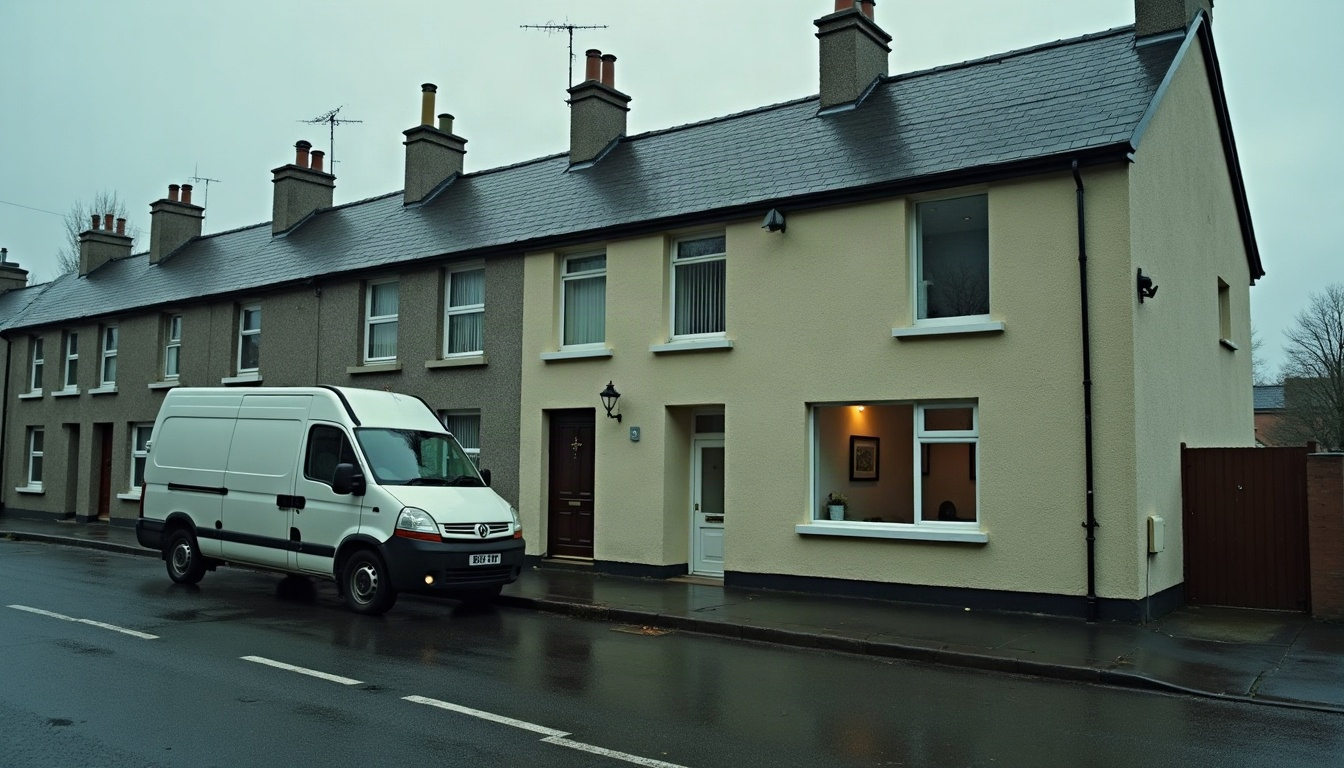
Irish startups that open a US office usually send a few people first, and those people buy or rent a house within weeks. The visa and the payroll get a spreadsheet each. The house gets a shrug.
The shrug is a mistake. A founder relocating a senior hire to a coastal Texas city will soon be asking who can redo the bathroom, and the answer is a local company, one option being GH Construction Corpus Christi Texas. We think the house is the first piece of infrastructure a relocated hire needs and the last one the expansion plan covers, so here is the case for giving it a line on the checklist.
Founders are moving people before they know where those people will work
The pattern is familiar to anyone who has watched a young company cross the Atlantic. One person goes first, usually someone senior and often with a family in tow. The company has an address for the registered office and, if it is organised, a desk in a shared workspace. What it rarely has is a view on where that person will actually work on a Tuesday, which is more often than not at home.
Hybrid work has settled into that shape on both sides of the ocean. The spare room, the corner of the kitchen and the table by the window are now part of the company’s working environment, whether or not anyone wrote that into a policy. A bathroom that no longer works for the household, or a kitchen stuck halfway through demolition, is therefore a productivity problem in a domestic costume.
The Irish angle
Ireland’s home market is small, which is why Irish startups look abroad earlier than firms from larger markets, and the US is usually the first stop. Agencies such as Enterprise Ireland help companies with the early steps of selling overseas. None of them can tell a relocated engineer how a Texas contractor quotes, books and schedules a job. That part is learned on the ground, and it is learned faster with a plan.
The skills shortage is a relocation cost
Skilled trades are in demand in most places, and the shortage is a standing complaint across construction. Founders tend to read that as a story about somebody else’s industry. It becomes personal the moment a new arrival needs a contractor. The person who knows three tradespeople by first name has a head start over the person who knows none, and a newly arrived hire knows none.
It is a future-of-work story as well. Remote work changed where office jobs happen, and it did nothing for the jobs that cannot be done from a spare room. A bathroom does not get remodelled over video call. Every household that moves house, whether the occupant is a software engineer or a schoolteacher, joins the same queue for the same limited number of skilled hands.
The founder’s decision is the oldest one in the book: pay now or pay later. Paying now means a line in the relocation plan for the house and the time that good contractors ask for before they start. Paying later means a senior hire taking video calls from the one room that still has a door, assuring everyone that things are fine.
Time, not money, is the scarce input.
Most relocation budgets are built around the things with invoices attached: flights, deposits, shipping, legal fees. The calendar of a busy contractor does not come with an invoice, so it does not make the budget, and the wait for a good contractor’s calendar is the cost that surprises people most.
Finding a contractor is a local search, not a global one
At home, a new hire would ask a neighbour or a cousin. In a new city there is no neighbour yet, so the first stop is a search box. Trades that win work online do it through their own pages and through reviews, which means the relocated hire is reading marketing and trying to work out what is real.
A few reading habits help, and none of them needs local knowledge:
Look for pages written about a specific room
A page that deals with bathrooms, or kitchens, and says what a job in that room involves tells you more than a general promise of quality. Vague pages usually mean vague quotes.
Look for plain talk about who does what
Plumbing and electrical work in a bathroom are jobs for licensed professionals. A company that is straightforward about who handles them is answering a question you would otherwise have to ask.
Look for the permit conversation
Whether a job needs a permit is a question for the local building department, not for a website or a neighbour’s memory. A good contractor will not be offended when you say so.
None of this replaces a proper conversation, and none of it should be treated as legal or financial advice. Whether to buy a house that needs work or rent one that does not is a question for a US attorney and a financial adviser, before anything is signed.
A coastal climate writes part of the brief
Places differ, and a house should be judged against the one it stands in. A coastal Texas city is humid, and a bathroom is the room where that humidity gets its best chance. A good contractor will talk about how the room is meant to cope with damp air and what the finishes will do under steam and splashes. Someone arriving from a cooler island may not think to start that conversation, so it is worth asking about moisture before asking about tiles.
The same logic applies to any room a hire will work in. If the spare room has no proper ventilation or a door that doesn’t close, the problem will show up in the team’s calls long before it shows up in a quote.
There is a second reason to take the house seriously. A relocated hire who works from home is, in effect, running a one-person branch of your company from a domestic address. If that address is chaotic, the branch is chaotic. Founders accept this readily about laptops and security settings and oddly less so about plaster and plumbing.
| Who | What changes |
|---|---|
| Founder who plans time for the house | The hire arrives to a sequence and starts work on schedule |
| Founder who leaves it to the hire | A senior engineer becomes a part-time project manager |
| The hire’s family | Settles faster when the basic rooms work |
| The local contractor | Gets a clear brief and fewer surprises mid-job |
What next
If you are about to send someone to the US, these are the items we would add to the plan:
- Put the house on the relocation checklist beside the visa and the payroll, and give it an owner.
- Ask the hire to read how local companies describe their work before they land, and to shortlist two or three.
- Treat anything involving plumbing, wiring or structure as work for licensed professionals, and ask the local building department what a job needs.
- Take advice from a US attorney and a financial adviser on buying versus renting before committing.
- Leave slack in the calendar. The first quote is not the start date.
Send the hire with a visa, a laptop and the name of a contractor.