
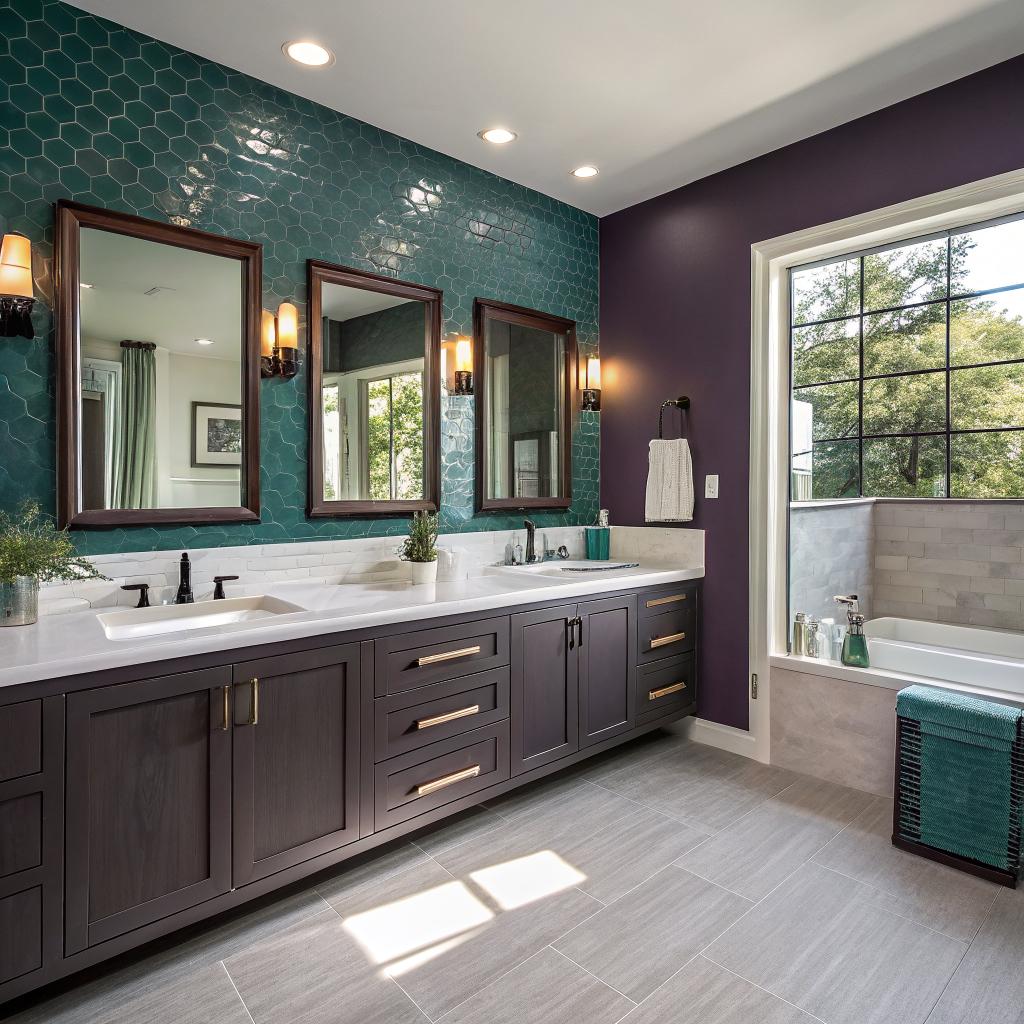
What if I told you the smartest room in your Scottsdale home is probably the least talked about one, and it is not the kitchen or your home office. It is the bathroom. People in tech tend to spend thousands on monitors, mesh WiFi, and AI tools, then step into a space in the morning that still works like it did in 1995. That mismatch is strange when you think about it.
So here is the short version. If you are thinking about bathroom remodeling Scottsdale, treat it like a small, high-impact product build: define your use cases, choose a tech stack that actually solves daily problems, wire it so you can upgrade later, and avoid gadgets that will feel broken or dated in three years. The goal is not a sci-fi spa. The goal is a calm, low-friction space that quietly fits your workflows, saves water and energy, and can still function when the smart features fail.
Why tech people should actually care about the bathroom
If you are deep into startups or engineering, your day probably starts and ends with context switching. Slack, email, calendar, metrics, people, code, decks. The bathroom is one of the few places you can reliably control. That matters more than it sounds.
The bathroom is the one room where you interact with hardware, water, power, light, and your half-awake brain at the same time, every day. Tiny frictions there echo through your schedule.
Here is why a smart bathroom remodel is not just “nice to have” decor:
- Time: Smart mirrors, preheated showers, automated lighting, and simple routines shave minutes off your mornings. Over a year, that adds up.
- Energy and water use: Scottsdale is not exactly overflowing with water. Smart valves, low-flow fixtures, and presence-based lighting are practical, not just green signaling.
- Mental load: Fewer small annoyances when you are half asleep means a calmer start. That sounds soft, but you feel it after a long sprint or funding crunch.
- Resale and perception: Buyers in tech-heavy markets notice smart basics. Not every feature will return full cost, but a dated bathroom can drag down the feel of an otherwise modern home.
If you are used to thinking about systems, you already have the mindset to plan a better bathroom than most people get.
Start like a product person: define real use cases
The fastest way to waste money is to buy gadgets before you know how you actually use the space. This part is boring. Do it anyway.
Map your real habits for a week
For 5 to 7 days, pay quiet attention:
- What time do you usually shower?
- Do you share the bathroom in the morning or at night?
- How often are your hands full when you walk in? Laundry, laptop, kids stuff.
- Do you listen to podcasts or calls from there? Be honest.
- Do you wear contacts, do makeup, shave, or do anything detail-oriented that needs strong, true lighting?
- Do you like hot, steamy showers or quick in-and-out ones?
- How much counter clutter exists now? Is it because of bad storage or habits or both?
It feels slightly strange to “log” bathroom use, but it reveals things. For example, I once realized I always turned the vanity light on, then the fan, then the shower, in that same order. Automation almost wrote itself from that pattern.
Translate habits into requirements
From that week, write a short, blunt list of problems:
- “Too dark for shaving, I miss spots”
- “Floor is cold at 6 am and I hate it”
- “Two people trying to get ready at the same sink”
- “Kids leave lights on for hours”
- “Need quiet space for occasional call, current fan is too loud”
Now, connect problems to feature types:
| Problem | Smart feature worth considering |
|---|---|
| Cold floor in winter mornings | Programmable heated floor with schedule control |
| Lights always left on | Motion or occupancy sensors tied to dimmable LED lights |
| Long showers, high water bills | Digital shower valve with usage tracking and max time/temp presets |
| Bad lighting for shaving or makeup | Color temperature adjustable vanity lights and smart mirror |
| Steamy mirror every morning | Backlit mirror with built-in defogger |
| No good place for phone / tablet | Charging drawers, shelves at safe height, or audio built into ceiling |
Notice that none of this is about “because AI”. It is about shaving friction off small, annoying loops.
Choosing a bathroom “tech stack” without going overboard
If you are into tech, you will be tempted to overbuild. A bathroom does not need fifteen apps. It needs a small, boring stack that keeps working.
Decide your control center first
Ask yourself: where do you already control your home?
- If you live in HomeKit, try to stick with HomeKit compatible gear.
- If you are deep in Google Home, do that.
- If you love local control, maybe you are on Home Assistant or Hubitat.
Pick one and treat it as your main API, then:
Whenever you look at a product, do not start with the features. Start with one question: “Will this play nicely with my primary control system without hacks?”
If the answer is weird or depends on third-party bridges that look abandoned, maybe skip it.
Think in categories, not individual devices
Work through the bathroom in layers.
- Core infrastructure: wiring, plumbing, ventilation, insulation, waterproofing.
- Control: smart switches, dimmers, sensors, smart fan controller.
- Fixtures: shower valve, bathtub, toilet, faucets, mirror, towel warmer.
- Experience layer: lighting scenes, audio, minor automation, notifications.
If you are budgeting, push money into core infrastructure and control. You can always add a smart mirror later. Ripping open walls to fix sloppy wiring is not as easy.
Smart lighting: low risk, high impact
Lighting is the simple win. It affects everything, and modern LED options are quite flexible now.
Color temperature and scenes
Harsh white light at 6 am is brutal. Soft, very warm light at 9 pm is calm but useless if you are shaving.
A practical setup in a Scottsdale bathroom might look like this:
| Scene | Color Temp | Brightness | Use |
|---|---|---|---|
| Morning Focus | 4000K | 80 to 90% | Shaving, makeup, rushing to first standup |
| Night Wind Down | 2700K | 30 to 40% | Teeth brushing before bed, quick shower after the gym |
| Nightlight | 2200K | 5 to 10% | Half-asleep trip without waking your brain |
Tie these scenes to time of day and motion. If someone walks in between 11 pm and 5 am, trigger Nightlight by default.
Switches vs smart bulbs
For a remodel, I would lean toward:
- Regular dimmable LED fixtures
- Smart dimmer switches that talk to your hub
Reasons:
- Anyone can still flip a switch, guests included.
- If the hub or WiFi dies, lights still work.
- You change bulbs cheaply later, without reconfiguring automations.
Smart bulbs have uses, but a bathroom remodel is a good chance to keep things grounded.
Showers and tubs that are smart, not silly
This is where budgets can blow up. You can buy a shower system that costs more than a decent laptop. That does not mean you should.
Digital shower valves
Digital valves let you set exact temperature, control multiple outlets, and sometimes track water usage.
Pros:
- Precise temperature control, less fiddling every time.
- Preset profiles for people: one for you, one for partner, one for kids.
- Some show total gallons used or time per shower, which can be fun data.
Cons:
- They need power and sometimes networking access.
- If the control unit fails, your shower may be offline until fixed.
- Brands lock you into their ecosystem of trim and parts.
If you go this path, think clearly: will you still be happy with basic, “dumb” function if the smart part stops working? Ask your contractor how the mechanical bypass works, if there is one.
Water and energy awareness without guilt trips
People in tech often like dashboards. That can lead to awkward behavior, like obsessing over water use and then ignoring the dashboard two weeks later.
A middle ground that seems to work:
- Set “soft” limits that nudge, not punish. For example, have lights dim slightly or a subtle chime at 8 minutes.
- Send a weekly summary rather than real-time nag notifications.
- Use automatic cutoffs only if your household agrees. Surprise cold showers will not make you popular.
You want awareness without turning the bathroom into a performance report.
Smart toilets, bidets, and hygiene tech
This topic is oddly polarizing. Some people love smart toilets; others find them overhyped.
What actually matters in a smart toilet or bidet
Ignore the marketing and focus on:
- Heated seat and water, if that matters to you.
- Adjustable spray position and pressure.
- Self-cleaning wand and nozzle cover.
- Quiet close lid.
- Manual flush option if power fails.
Voice control for flushing sounds like a joke. Most people do not use it. App-based flushing is even stranger.
If you are nervous about going full smart toilet, consider a good bidet seat on a quality standard toilet body. That is an easier swap later if your preferences change.
In many bathrooms, the smartest move is not a WiFi toilet. It is picking fixtures that are easy to clean, repair, and live with for 10 years.
It feels less fancy, but long-term comfort and maintenance matter more than a novelty feature.
Mirrors, screens, and information overload
The idea of a mirror that shows your calendar, weather, and metrics is appealing to startup brains. It hits that “I want my personal dashboard” urge. But be careful.
Do you really want screens in the bathroom?
Ask yourself:
- Do you actually want to read email or Slack while brushing your teeth?
- Will having metrics in your face help, or will it start the stress earlier?
- Who else uses this bathroom? Are they okay with that level of display?
For many people, a better path is:
- A quality backlit mirror with dimmable light and defogging.
- Audio through a ceiling speaker tied to your whole-home system.
- Short voice interactions only, like “what is my first meeting” or “what is the weather.”
If you really want a smart mirror display, consider a simple one that:
- Shows time, basic weather, and maybe next event only.
- Times out or goes plain after a minute.
- Stores no personal data locally if you can avoid it.
Bathroom time is one of the few moments your brain can idle. Filling it with dashboards is a choice, but not always a good one.
Audio, fans, and the “quality of life” layer
It is easy to forget ventilation and sound design. Then you live with a loud, annoying fan for years. This is where small upgrades feel very “smart” without needing apps.
Ventilation that thinks, but not too much
Modern smart fans can:
- Measure humidity and turn themselves on or off.
- Run at lower speeds by default, ramp up when needed.
- Integrate with your home system for scenes like “Shower mode.”
In Scottsdale, where heat is a factor, good ventilation also helps control moisture and keep materials from aging badly.
Look for:
- Low sone rating, so it is quiet enough to take a call if you must.
- Simple local control on the wall as backup.
- Humidity sensor you can adjust, not just fixed thresholds.
Audio without clutter
Bluetooth speakers on the counter get wet and take up space. If you like music or podcasts, plan this into the remodel.
Options:
- In-ceiling speaker tied to a small amp in a nearby closet.
- Multi-room audio system with a bathroom zone you can limit in volume.
- Simple waterproof speaker recessed into the wall, if you want a budget choice.
For control, voice is usually enough: “Play news in bathroom” or “Pause” as you head out. Physical controls in a humid room age badly, so keep them simple.
Storage, charging, and the “where does all this go” problem
You probably own more devices than the average person. Toothbrushes that charge, razors, hair tools, trimmers, maybe even health sensors.
Hidden power is your friend
During a remodel, have your electrician install:
- Outlets inside vanity drawers for toothbrushes and small devices.
- At least one protected outlet in a cabinet for hair tools.
- A small, dedicated circuit if you use power hungry equipment.
This keeps counters clear and cords out of sight. It also reduces the chance of water contact.
If you are very detail-focused, label inside outlets or use colored plugs so you know what is what. Feels overkill, but mornings are smoother when you do not unplug the toothbrush by mistake.
Charging in the bathroom: good idea or not?
I have mixed feelings on charging phones or tablets there.
Pros:
- You always have your phone for calls or audio.
- It can pair with smart scales, health trackers, or similar gear.
Cons:
- Moisture and electronics are not best friends.
- More temptation to scroll when you should probably be sleeping.
If you do it, keep charging points away from direct water paths and think through where the device will sit so it does not take up sink space.
Privacy, security, and “what data are we leaking from the bathroom?”
Tech people often ignore security in their own homes. They secure servers and forget about random IoT devices they add during a remodel.
If a device lives in your bathroom, treat it as more sensitive than a hallway switch. Audio, cameras, and health data are not things you want leaking through a cheap cloud service.
What to do before buying any “smart” fixture
Ask very blunt questions:
- Does this product need an always-on internet connection to function?
- Can it operate locally on my network or through a hub I trust?
- How does firmware get updated, and who controls that path?
- Can I use it without creating an account that stores personal data?
If the answer looks like “it stops working if their cloud dies,” think twice. A light switch or shower should not depend on a random server staying alive for ten years.
Also consider:
- Place any voice assistant mics away from the shower and toilet, or skip them there.
- Do not put cameras in a bathroom. That one is simple.
- Segment IoT devices on your network if you know how.
You already think about data in your startup or job. Bring the same mindset here, but without going paranoid.
Designing for failure: what works when the “smart” breaks
Bathrooms have to work during outages. Power failure, WiFi failure, hub crash, vendor shutdown. Those things happen over a 10 to 15 year life of a remodel.
Plan graceful degradation
For each smart element you add, ask:
- What does this do if the hub is offline?
- What if the internet is down?
- What if this exact product is not sold anymore in five years?
Aim for:
- Lights that still turn on from the wall.
- Fan that can be activated by a simple switch.
- Shower that runs at a safe default temperature mechanically or through a fail-safe mode.
- Toilet that flushes without power.
It may feel like you are planning for edge cases, but hardware lives in the physical world. Vendors change, standards evolve, and your future self will be glad you kept things fall-back friendly.
Working with contractors in Scottsdale who “get” tech
One problem in tech-heavy cities is an odd gap between home automation comfort and what many trades are used to installing. Some are fantastic with tile but unfamiliar with smart switches or networks.
You do not need a contractor who can code. You need one who:
- Respects low-voltage and high-voltage separation.
- Reads install manuals instead of guessing.
- Is willing to coordinate with your home automation person, if you have one.
Do not be shy about asking:
- “Have you installed smart dimmers or digital shower valves before?”
- “How do you usually work when a client has their own network and automation gear?”
- “Are you okay if we define some tech specs up front?”
If they roll their eyes at the idea of motion sensors or structured wiring, that is a signal. At the same time, if you bring a 40-page spec sheet to a small job, that might be overkill. There is a middle ground.
Budgeting: what is worth paying for, what is not
Money often slips away in small, “why not” upgrades. Then you look back at the invoice and wonder how you landed there.
Here is a rough way to think about it:
| Category | High priority spend | Nice but optional |
|---|---|---|
| Plumbing & wiring | Quality materials, proper layout, extra circuits where needed | Exotic fixture finishes that cost more to maintain |
| Lighting | Good fixtures, smart dimmers, thoughtful scenes | Color-changing accent lights you rarely use |
| Shower | Reliable valve, good waterproofing, comfortable layout | App-controlled body sprays that need constant maintenance |
| Toilet / bidet | Comfortable height, quality flush, easy cleaning | Voice control and ambient colored lights in the bowl |
| Controls | Smart switches and reliable sensors from known brands | Overly complex touch panels that confuse guests |
If budget tightens mid-project, cut from the optional column first. Do not cheap out on anything behind the walls.
Health, metrics, and the temptation to track everything
People in tech often like quantification. Steps, sleep, HRV, calories. The bathroom is where many health devices plug in: scales, blood pressure monitors, maybe smart mirrors with body analysis.
How much tracking is actually helpful?
Ask yourself:
- Is this metric going to change any behavior?
- Will I look at this data after the first month?
- What happens to this data if the vendor goes away?
You might find that:
- A reliable, simple smart scale that syncs weight and body fat to your existing health app is enough.
- Very detailed, camera-based posture or skin analysis feels creepy after the novelty wears off.
Try to avoid turning your bathroom into a small clinic unless you have a clear reason.
Climate and materials: Scottsdale has its own quirks
Scottsdale brings heat, low humidity for much of the year, strong sun, and high AC use. That affects the bathroom in a few ways.
Material choices that age better
Think about:
- Porcelain or ceramic tile that does not mind temperature swings.
- Quartz counters rather than softer stones that need frequent sealing.
- Good insulation and sealing around windows to keep the room from becoming a hot box.
If you add smart blinds or window film in a bathroom with natural light, pick products that tolerate heat and moisture. Some cheaper motors do not love that mix.
Managing temperature comfort
Walking from a cool, AC heavy bedroom into a cold tiled bathroom floor is jarring. That is where those heated floors and a small, responsive ventless heater can feel very “smart” without apps.
Tie floor heat or a small heater to:
- Time-of-day schedules, aligned with your weekday routine.
- A cheap temperature sensor in the room.
No need to over-control this. Just avoid extremes.
Putting it all together without overthinking it
At some point, you have to stop planning and actually remodel. There is a risk of “analysis paralysis,” especially for tech people who like to research every device.
One rough, reasonable structure:
- Week 1: Log habits and annoyances, make that blunt list.
- Week 2: Decide your control center and choose core device families.
- Week 3: Meet contractor, walk through space, talk realistic budget.
- Week 4: Simplify. Cut at least two non-core smart ideas from your list.
Then lock the plan.
You will still adjust some details during the build, but having the main choices fixed keeps you sane and makes your contractor happier.
A smart bathroom is not the one with the most features. It is the one that feels calm, predictable, and easy to use when you are at your worst and most tired.
Common questions people in tech ask about smart bathrooms
Q: How “future proof” can a smart bathroom in Scottsdale really be?
A: Not fully. Tech changes too fast. But you can plan for flexibility by using neutral wiring (extra conduit, junction boxes with space), standard protocols where possible, and choosing brands with a history of updates. The real goal is making it easy to swap devices later without opening walls or redoing tile.
Q: Is it worth doing high-end smart features in a starter home?
A: Sometimes no. If you expect to move within a few years, focus on clean design, good lighting, solid storage, and one or two thoughtful smart touches, like a fan with a humidity sensor and motion-based lighting. Big ticket digital showers or high-end smart toilets might not bring much resale value in a lower price range.
Q: How do I keep this from turning into a maintenance nightmare?
A: Limit the number of platforms. Use gear that works with your main home hub. Keep paper or digital notes on model numbers and how each device is wired or paired. And stay away from obscure brands that have zero track record. If you would not run their SDK in your startup, do not hardwire their hardware into your walls.
If you walk into your bathroom half asleep a year from now and everything just works, quietly, without you thinking about it, then you probably made the right choices.