
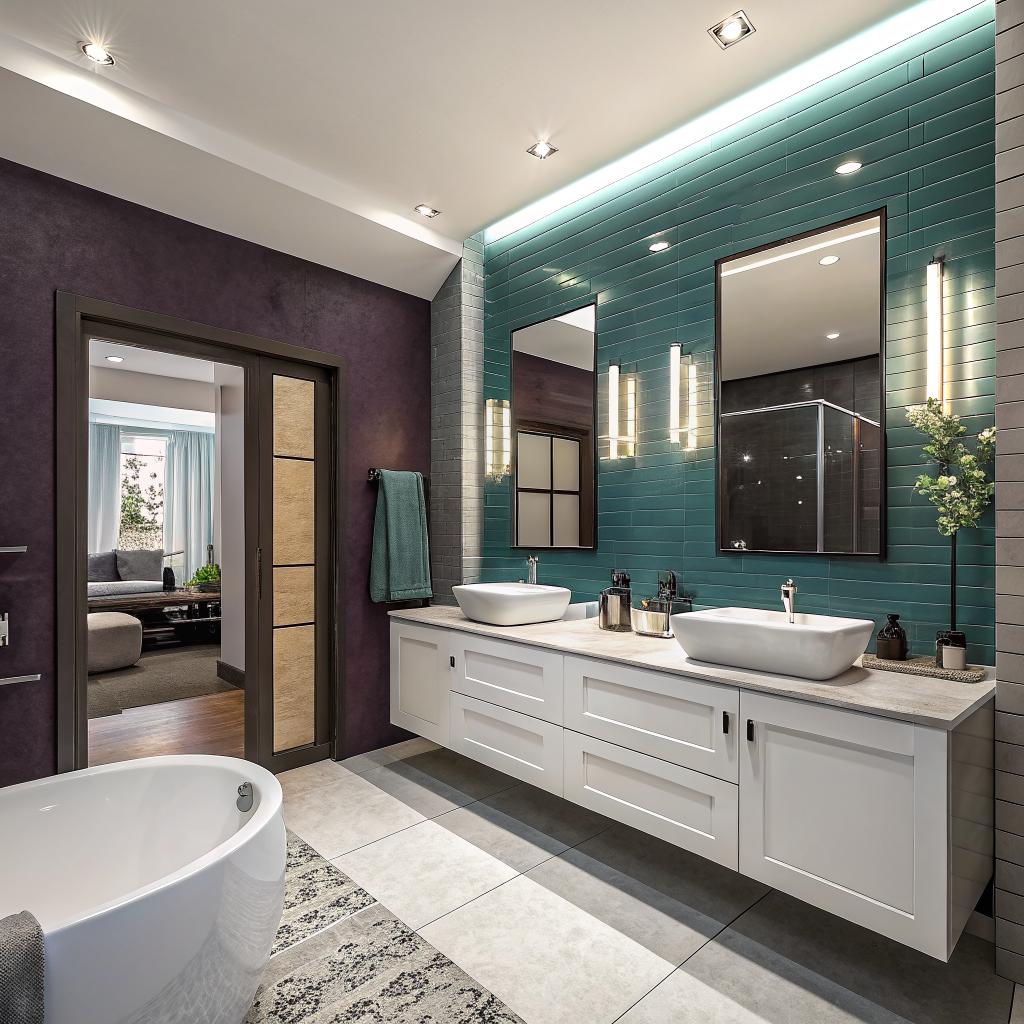
What if I told you that the most interesting “smart device” upgrade in your home is not your TV, your thermostat, or even your car in the garage, but the room you usually rush in and out of without thinking twice?
I am talking about the bathroom. More specific: the way smart tech is reshaping bathrooms right now, and how local teams like Bathroom Remodeling Sugar Land Pros are quietly turning that space into a mix of wellness lab, data source, and yes, a little bit of a personal spa.
The short version: if you are planning any remodel in the next few years, you should treat the bathroom like a mini product build. Start with smart lighting, water monitoring, and basic voice control. Keep your ecosystem open, avoid niche hardware that locks you in, and wire for power and data now so you can layer in sensors, mirrors, and smarter fixtures later without tearing your walls apart. Treat it like a platform, not a fixed project.
Why tech people care about bathrooms now
If you read tech news, most smart home talk circles around security cameras, AI assistants, or “smart” fridges that send you photos of empty shelves.
The bathroom gets less attention, which is odd, because:
The bathroom is one of the most data rich rooms in your home, and one of the least thoughtfully designed for tech.
Think about what happens there every day:
– Light changes from half asleep to fully awake
– Large water use
– Hygiene and grooming
– Health and wellness routines
These are daily habits. Repeated events. They lend themselves very well to small automations and slow, practical experiments. Which, if you live in a world of A/B tests and MVPs, should feel familiar.
Some quick reasons why tech minded people are starting with bathrooms instead of kitchens or living rooms:
- Smaller scope than a full house automation project
- Clear “user journeys”: wake up, shower, prep, wind down
- Energy and water savings are measurable
- Good space to test sensors, lighting scenes, and voice control
I have seen people treat their bathroom remodel like a mini startup project: define users, find “use cases”, map the tech roadmap. It sounds silly until you realize you do actually visit your “product” several times a day.
Key smart home trends showing up in bathroom remodels
There is a lot of noise around smart home gadgets. Not all of it survives real life use. If you talk to builders and remodelers, they tend to see what sticks after a year and what turns into clutter.
From what local teams are seeing right now, these trends are actually getting traction, not just Instagram likes.
1. Smart lighting that respects your body clock
The bathroom is usually the first and last lit room you see each day. Harsh white light at 6 am is not friendly. Bright blue light before bed can mess with your sleep.
Smart bathroom lighting usually has three parts:
- Dimmable, color adjustable lights in the ceiling
- Mirror or vanity lighting that can switch from “task” to “ambient”
- Low level night lighting so you do not blind yourself
The practical setup many Sugar Land clients choose is very simple:
– Morning: bright, cool light around the mirror for shaving or makeup
– Daytime: neutral white light
– Night: a motion sensor that triggers a soft, warm glow under a cabinet or near the floor
This feels minor, but the effect is real. You wake up a bit easier. You are less shocked at night. You also waste less electricity because the lights are not blazing when they do not need to be.
If you are from a tech or startup background, you may like automations such as:
“Between 11 pm and 5 am, any motion only turns on the low level lights at 20 percent brightness.”
It is a simple rule, but it has a strong “quality of life” impact. And it is the type of rule that smart switches and hubs can handle without any fancy AI.
2. Smart showers that learn your preferences
Smart showers sound like a gimmick until you try one set up correctly. Then it starts to feel like a good UX decision.
Common features that people actually use:
- Preset temperatures for each person
- Digital controls you can tap before stepping in
- Warm up mode that stops water once it reaches temperature
- Usage tracking so you can see how much water you use
For a tech audience, that last point is interesting. You are suddenly looking at:
– Average shower time per person
– Total gallons per week
– Hot vs cold usage
This is not fancy, but it creates a feedback loop. I saw one family cut their water bill simply because their teenager could see how long their showers ran in a simple chart. No persuasion. Just visibility.
Smart showers can integrate with voice assistants too. You might say, “Start my shower” while you are still in bed. By the time you reach the bathroom, the water is warm and ready.
Is that necessary? Of course not. But it lines up with that quiet goal of removing friction from daily routines. The same way you script your dev environment to start the right tools, you start to script your mornings.
3. Voice control that actually works in a wet, noisy space
Voice control in a bathroom seems odd at first. You might think of awkward commands echoing off tile. Still, use cases keep showing up:
– Turning lights on without fumbling at night
– Starting music or a podcast while brushing your teeth
– Checking the time, weather, or your first meeting
– Controlling exhaust fans while in the shower
The challenge is practical: bathrooms are humid. Small. Hard surfaces reflect sound. So hardware choice matters more than in a living room.
Most people do not install a smart speaker right next to the shower. They either:
– Use ceiling mounted speakers with a waterproof grill
– Mount a small voice device outside the shower area, near the door
– Use a multi room audio system that covers the bathroom
Remodelers who work with tech minded homeowners are learning to pre wire for this during the project. That is not glamorous, but it matters. You do not want trailing cables in a wet room.
A key shift is seeing the bathroom less as a closed box and more as one node in your wider voice and audio setup.
If you already live inside a Google, Apple, or Amazon ecosystem, the bathroom just becomes another “room” from the system point of view.
4. Smart mirrors as light UX surfaces, not full tablets
Smart mirrors had a moment where everyone tried to turn them into giant Android tablets behind glass. That mostly failed in real homes. Too bright, too clunky, too many fingerprint smudges.
The versions that work well now are quieter:
– LED mirrors with adjustable color temperature
– Mirrors with simple touch controls and defoggers
– Some with basic widgets like clock, weather, or simple reminders
These behave more like lightly augmented mirrors than full screens. Which, in a bathroom, is probably healthier.
For tech people, a better pattern is to treat the mirror as a peripheral rather than a computer. The “smarts” live somewhere else: your phone, your voice assistant, your health apps. The mirror gives you a small bit of context: “You have a 9 am call” or “Rain later” while you brush your teeth.
Here is a quick comparison to show how these setups differ:
| Feature | Old style smart mirror | Modern smart mirror setup |
|---|---|---|
| Main function | Act as a full tablet behind glass | Provide good light and light info |
| Controls | Touchscreen apps, full OS | Simple buttons or touch zones |
| Maintenance | Firmware updates, app updates | Low; mostly lighting and demister |
| Integration | Standalone, often outdated quickly | Ties into voice and phone apps |
The second model ages better because the mirror itself does not need to “keep up” with phones and operating systems. It is closer to a good monitor than a second computer.
5. Smart toilets and bidets moving from “luxury” to normal
Smart toilets used to be something you saw in high end hotels and forgot. Heated seats, auto flush, built in bidets. Now they are showing up in suburban remodels, including Sugar Land.
Features people tend to use daily:
– Heated seats
– Warm water cleaning with controls
– Gentle night lighting in the bowl area
– Soft close lids
More advanced models add:
– Auto opening lids
– Self cleaning cycles
– App controlled settings
The tech interest, apart from comfort, sits around health data. Some projects are exploring:
– Tracking frequency and basic patterns
– Sensors that look at hydration or other markers
This is still early. There is a tension between “this is helpful” and “this is creepy”. Some people do not want their toilet talking to their phone, which is fair.
If you are in tech, the bathroom is where you really need to think about data boundaries and what should never leave the device.
For now, most smart toilet use in remodels is about comfort and hygiene rather than deep health tracking. And honestly, that is fine. A warm seat on a cold morning is already a strong value prop.
6. Water, energy, and the push toward visible consumption
This might be the biggest long term trend: surfacing how much water and power your bathroom actually uses.
Water is not free. Heating water is even less free. The bathroom is where a lot of that cost lives.
Smart home setups in Sugar Land often now include:
- Whole house water monitoring that tracks leaks and usage
- Smart thermostats for the water heater
- Low flow fixtures that still feel good to use
The tech layer is often about feedback:
– Graphs of usage per day or week
– Alerts for continuous flow that might mean a leak
– Modes when you are away so pipes are protected
You can think of this like basic observability for your house. You get logs. You get alerts. Then you adjust behavior or hardware.
One interesting thing some homeowners do: they match their own shower length goals to a smart display, almost like a small daily challenge. Not as a guilt thing, more as a small target.
If you come from a startup background that cares about metrics, this feels natural. You already watch dashboards all day. Now your shower is on one of them.
Infrastructure first: wiring, power, and planning
Here is where local pros become very useful. Smart bathroom projects fail less because of bad apps and more because no one planned for power and wiring.
A tech heavy bathroom works better when you treat the remodel like setting up a network diagram.
Think in zones and devices
Instead of thinking “room”, you think in zones:
– Entry / light switches
– Vanity and mirror
– Shower area
– Toilet area
– Ceiling and exhaust
Each zone might need:
– Power outlets in safe, code compliant spots
– Neutral wires at switches for smart controls
– Low voltage runs for sensors, speakers, or control panels
If you know you want speakers, pull speaker wire. If you know you might want a future smart mirror, give that wall a hidden outlet and maybe a data run.
Remodelers are starting to ask a new question during planning:
“What do you think you might want to add here in five years that would need power or data?”
Most people are not sure, which is normal. Still, running one extra conduit or adding one extra outlet during a remodel is cheap compared to opening walls later.
Local climate and materials matter more than the app
Sugar Land is humid and warm for much of the year. Bathrooms already get steam and moisture from showers. That is not friendly to bad materials or exposed electronics.
So smart bathroom planning has to mix low level construction with tech choices:
– Use moisture resistant drywall or cement board in the right places
– Choose fixtures and fittings rated for damp locations
– Pick fans sized correctly for the room, ideally with smart controls
Your app will not matter if your mirror frame swells or your smart switch corrodes. This is where a company that knows both construction and smart devices is worth listening to, even if sometimes they sound conservative.
Tech people sometimes underestimate this. A good rule is: if a pro says, “That device is not rated for this space, it will fail”, they are not blocking progress, they are probably saving you time.
Privacy, security, and data in a very personal room
This is where things can feel a bit tense. You bring sensors and microphones into the most private room in your home. What could go wrong?
If you work in tech, you already know the answer. So the bathroom becomes a nice test case for how you handle smart home privacy in general.
Decide what data is allowed to leave
Not every device needs cloud access. Some things can be local only.
Good defaults many people pick:
- Local control for lights, fans, and blinds
- Local only motion and door sensors
- No cameras in or near the bathroom
- Limited or no microphones inside bathroom walls
For voice, a compromise some people choose is:
– Put the main smart speaker just outside the bathroom door
– Use buttons or simple remotes inside for basic control
– Keep sensitive audio away from the wet area
You still get voice control over scenes, routines, and music, but you avoid an always listening device inches from your shower.
Vendor lock in and long term support
Bathrooms age slowly. Tile and stone will still look fine in 15 years. Your smart hub probably will not.
So you need to assume that parts of your tech setup will change several times during the life of your newly remodeled space.
Points to consider:
– Avoid rare, single vendor protocols that might disappear
– Choose fixtures with standard connections so controllers can be swapped
– Use platforms that support local APIs or common standards
This is where open standards and local control start to matter in a very concrete way. You do not want your shower to stop working because a company shut down a server.
People in the startup world know product lifecycles can be short. Apply that same awareness to your hardware choices.
Wellness and health tracking without going overboard
Some smart bathroom trends move beyond simple convenience and into health and wellness.
I have mixed feelings about this. Some ideas are very helpful. Others feel like they want to turn your entire life into a quantified dashboard. That can be tiring.
Still, a few practical things have emerged that actually help people.
Smart scales and subtle health feedback
Scales that sync with your phone are no longer new. But when you place them in a better designed space, they get used more often, which is kind of the point.
Remodelers can:
– Give the scale a specific spot recessed near the vanity
– Keep outlets nearby if the device needs power
– Plan storage so it does not get kicked around
Some scales now track:
– Weight trends
– Rough body composition
– Heart rate during standing
Again, none of this is medical grade. The value is in slow trends over time. It also links the bathroom to your broader health apps ecosystem.
Light, sound, and mental health
A quieter trend is using the bathroom as a small reset zone.
Not everyone wants a full “spa bathroom”. But some people ask for things like:
– Tunable white light that shifts toward warmer tones at night
– Built in speakers with calm presets or playlists
– Larger showers with a bench where you can actually sit
Nothing here screams “smart” on a spec sheet, but the control layer makes it flexible.
You might set a “wind down” routine that:
At 9:30 pm: dims lights, warms color, starts low volume music for 20 minutes, and warms the floor slightly.
Not life changing. But a concrete little step to separate work and rest. If you live in a startup mindset where the day blends into the night, that separation can help more than another productivity app.
Practical planning for a smart bathroom remodel
If you are actually thinking about remodeling, the question is: how do you plan this without drowning in gadget options?
Treat it like a product roadmap.
Step 1: Define your “MVP” features
Ask yourself and anyone else using the space:
– What annoys us now?
– What do we use every single day?
– What do we almost never use?
Most common “must fix” issues:
– Not enough light at the mirror
– Poor ventilation that fogs everything
– Cramped shower with bad storage
– No outlets where you need them
Your smart choices should serve these base needs first.
A simple MVP list might be:
- Smart, dimmable vanity and shower lights
- Fan that runs automatically based on humidity
- Heated, smart controlled towel rail
- Enough outlets, some with USB or USB-C
That is already a big upgrade before you even add fancy mirrors or showers.
Step 2: Plan your “v2 features” but do not rush them
These are things you might like later, but can live without at launch:
– Smart shower control
– Smart toilet or bidet seat
– Smart mirror widgets
– In ceiling speakers
– Extra sensors and scenes
During the remodel, you prepare for these with:
– Extra power runs
– Back boxes or niches where future hardware can sit
– Conduits in walls for later cable pulls
This keeps your options open. You can treat these as “feature releases” rather than stuffing everything into the first build.
Step 3: Agree on your ecosystem rules
Before anyone orders hardware, agree on:
– Which voice system you prefer, if any
– How much local control vs cloud you want
– Which app will be your main daily control surface
If you already use Home Assistant, Apple Home, or similar tools, involve that early. Share your preferences with whoever is doing the remodel. Many cancellations and returns come from mismatches like:
– A light system that does not talk to your chosen hub
– A shower control that needs its own app all the time
– Devices that cannot be triggered by the routines you already use
Good pros now ask: “What are you using for the rest of your house?” If they do not ask, bring it up yourself.
Where pros really change the experience
It is tempting to think of smart home work as a DIY weekend hobby. For some projects, that is fair. Bathrooms are less forgiving.
You deal with:
– Plumbing and drain slopes
– Waterproofing details
– Electrical code in wet areas
– Ventilation and indoor air quality
A nice smart panel on a wall that leaks behind it is a bad trade.
Teams that focus on bathrooms and smart upgrades at the same time bring some boring but useful habits:
– Checking load on circuits before adding heated floors or towel rails
– Making sure fans are vented outdoors, not into attics
– Selecting fixtures that are rated for the level of moisture and heat
They also tend to know from experience which smart devices keep failing in humid environments. That “collective bug report” is valuable. You do not need to be the next test case.
How all this connects back to tech and startups
At first glance, bathroom remodeling feels very far from software and startups. It is tile, grout, pipes, and paint.
If you look closer, there are some shared patterns:
– Small, repeatable daily interactions instead of huge, rare ones
– Data that is only useful if it leads to behavior changes
– The need to pick platforms that will not vanish in a year
– The tradeoff between convenience and privacy
The bathroom is also one of the few rooms where you are not holding a phone all the time. That makes embedded tech more interesting. It has to be ambient. Quiet. Reliable. If it fails, you notice quickly.
You can think of your bathroom as a lab for “calm tech” ideas. Tech that supports you and fades into the background, instead of shouting for attention.
Common questions people in tech ask about smart bathrooms
Q: Is a smart bathroom worth the cost, or is it just gadgets?
A: Some things are pure gadgets. You do not need app controlled toothbrush holders. But smarter lighting, better fans, simple water tracking, and a few comfort upgrades like heated floors or a good bidet seat tend to get used every day. The payback is part money saved on water and power, and part daily comfort. If a device does not improve either, skip it.
Q: Will my smart devices be outdated long before the tile?
A: Yes, some will. That is why you plan for replacement. Focus on good “dumb” fixtures wired in a flexible way, then add smart switches, modules, and controllers that can be swapped. Think of the tile and plumbing like your “infrastructure”, and the smart modules like your software stack. You refactor the software more often than the base platform.
Q: What is the safest starting point if I want to test smart bathroom ideas with low risk?
A: Start with these three:
- Smart lighting scenes that adjust by time of day
- A better fan with humidity sensing
- One or two smart switches tied into your home system
Live with that for a while. If it makes life better, then add one more thing, such as a smart shower control or a simple smart mirror. Build from real use, not from a catalog of features.