
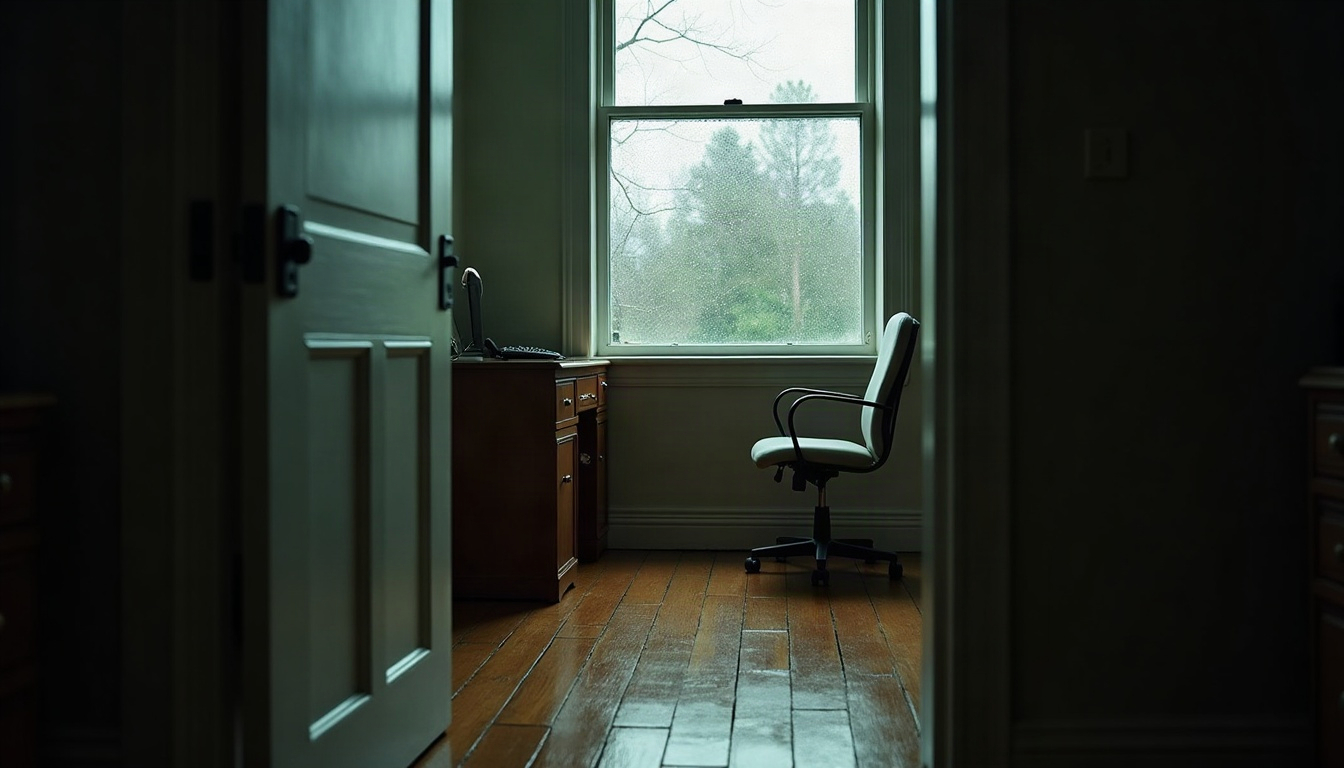
The spare room has quietly become a permanent office, and nobody has consulted the floor. Hybrid work settled into a routine some time ago: some days at home, some days together, and a desk in the house that is no longer a temporary arrangement.
That matters now because a permanent room has different costs from a temporary one, and most of them arrive after the chair has been ordered. If you’re researching flooring company Denver for a Colorado hire or a small stateside office, start with how local companies sort their work: by material, by room, by home or commercial job. Our argument is that the floor is the most overlooked line in the hybrid budget, and that choosing it well is a local errand, not a global one.
Home offices are now rooms, not corners
For a while the home office was a corner of the kitchen table, tolerated because the arrangement was meant to end. It didn’t end. Employers settled on a mix of home days and office days, and the people on the receiving end settled on a room. Sometimes it’s the spare bedroom, sometimes a box room under the stairs, sometimes a garage or a finished basement with a heater humming in the corner.
Equipment policies tend to follow the same pattern everywhere: a monitor, a chair, perhaps a headset. The room itself rarely gets a line in the budget. Nobody is told that the carpet will wear through where the chair rolls, or that bare boards turn every video call into a conversation in a stairwell. That is the what-it-means-at-home side of the hybrid story, and it’s about surfaces far more than gadgets.
It touches more people than the headlines suggest. Employees in rented flats have to think about what a landlord allows. Owners can change the floor but have to live through the work. Employers who contribute nothing towards the room still inherit the results, in the audio quality of every meeting.
None of this is glamorous, which is probably why it gets skipped. Nobody has ever launched a keynote around underlay, and the wish list on most people’s screens runs to lighting, webcams and standing desks long before it reaches the ground.
The floor shapes the working day more than the desk does
Start with sound. Hard, bare floors bounce voices around a room, and anyone who has joined a call from a kitchen knows the hollow result. Softer surfaces absorb some of that, and a rug helps, but whatever lies underneath sets the baseline. Then there’s the chair. A rolling chair is hard on almost every kind of flooring, and the wear tends to show up in one oval patch beneath the desk, like a crop circle for the sedentary.
After that comes comfort. Cold boards in winter are no fun for anyone, least of all someone who works at a standing desk for part of the day. We think the floor is the part of the room you touch all day, which makes it an odd place to economise.
The options are familiar enough. Each one suits a different sort of room, and none of them is a bad choice in the right place.
Luxury vinyl plank
Popular for rooms that see spills, pets and a rolling chair, because it’s generally water-resistant and easy to keep clean. Sound and feel vary a good deal between products, so ask to see a sample in the room’s own light before deciding.
Hardwood
Warm, handsome, and able to be sanded and refinished later, which suits a room expected to outlast a few job changes. Wood moves with humidity through the seasons, so in a place with proper winters and dry indoor air it’s worth asking an installer how that is handled.
Laminate
It looks like wood and is generally kinder to the budget, though it tends to be less forgiving of standing water. Think about how close the room is to a bathroom, a kitchen or an exterior door before choosing.
The chair gets a budget line. The floor it rolls on gets nothing.
The Irish angle
A small home market pushes Irish startups across the Atlantic early, and Dublin’s role as an EU base for large American tech firms means plenty of Irish professionals have worked for US employers without leaving home. Both groups meet the same surprise when a colleague sets up in the States. The home office is that person’s own room, governed by local suppliers, local habits and a slightly different vocabulary for the same trades. Time zones get all the attention; the practicalities of a physical room tend to get none.
Trades win work on local search, so read them like a hiring manager
The building trades on both sides of the Atlantic share a long-running story: skilled people are in short supply, and the good ones tend to be busy. That changes how you should look for one. An installer who is easy to find online isn’t automatically the right one, but the way a company presents itself says something about how it runs.
Treat it like a hire. Read how the company describes each kind of job. See whether its pages separate vinyl plank from hardwood and laminate, and a home room from commercial space, because that separation usually reflects how the work is organised behind the scenes. Look at reviews for patterns rather than stars: do people mention turning up when promised, explaining the preparation, and leaving the room tidy?
Then ask what a sensible employer would ask any contractor. Ask what is under the old floor and what the installer checks before anything new goes down. Flooring laid over a damp or uneven base is a repeat job waiting to happen, so a good installer will want to see the room before giving a firm quote. If the work might need a permit, the local building department is the body to ask, and a renter should check with the landlord first.
A small stateside office is a different job from a spare room
An Irish team opening its first American base will probably start in rented space, and rented space changes the questions. Foot traffic is heavier, chairs are many rather than one, and work usually has to happen around people rather than in an empty house. The lease may say what can be altered and who pays for it, so read the lease before choosing a sample.
It also helps if a company’s site treats commercial work as its own category, because an office floor is judged on durability and downtime as much as looks. Ask how the installer would schedule the work around the team, and what happens to furniture and cables on the day. These are dull questions. They’re also the ones that decide whether the Monday after the install is calm or comic.
What next
- Put the room on the budget. If you manage a hybrid team, ask what a home workspace needs beyond the chair, whether that’s flooring, lighting or heating, and decide what’s covered. If you’re the one working there, price the floor before the second monitor.
- Match the floor to the use. Think about the chair, the spills, the sound and whether you rent. Ask for samples, and ask any installer what they check beneath the old surface before they quote.
- Search locally and read slowly. For a hire or an office in Colorado, compare how a few local companies describe their work, get the scope in writing, and ask the building department or the landlord about any rules.
In hybrid work the desk gets the headlines, and the floor does the standing.