
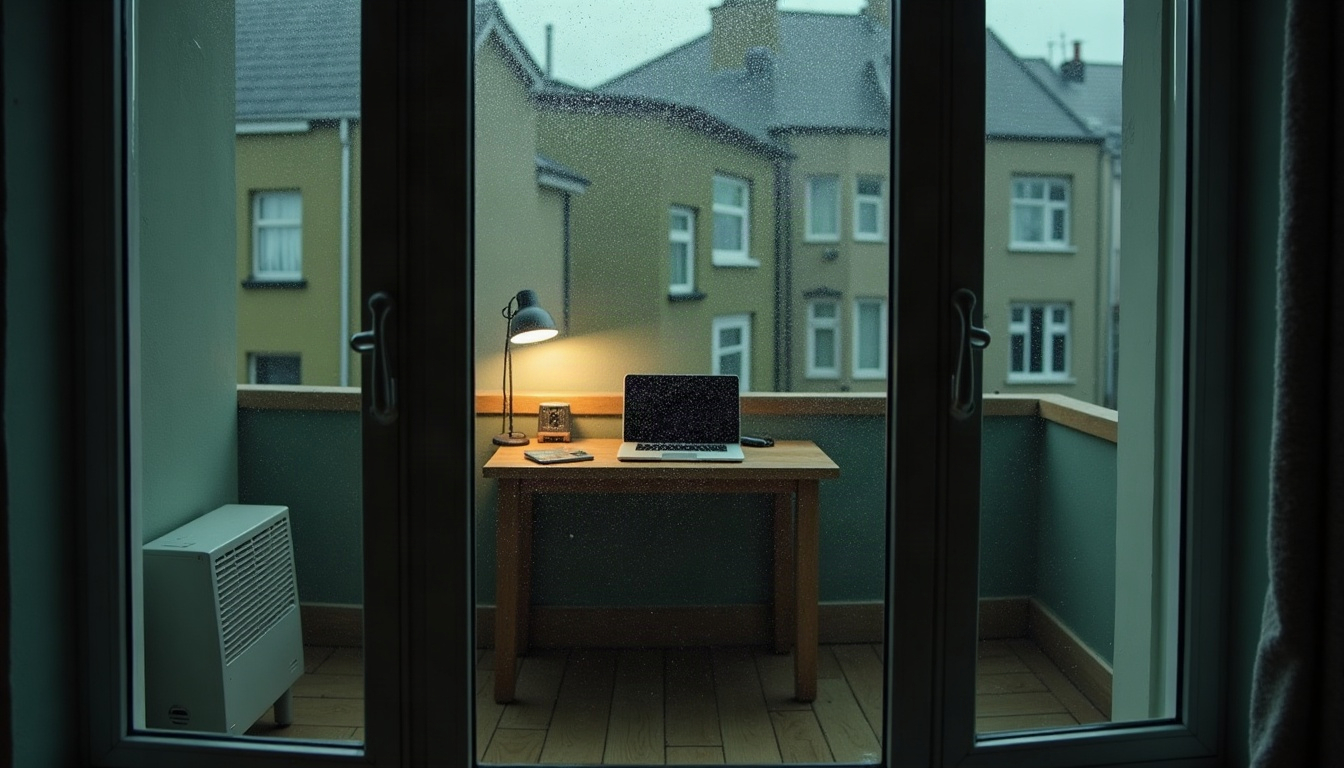
Hybrid work has settled into a pattern, and for many people it runs through a kitchen table that became a desk. The kettle is within reach, and somewhere in the house a breaker has opinions.
It matters now because the wiring behind the desk was never part of the remote-work conversation. What should a household in Colorado Springs ask when looking at a local company such as Dr Electric Colorado Springs for panel work? We think the answer starts with people, not parts, and it matters most for those who work from a home they do not own.
The spare-room office is a fixture, and nobody consulted the wiring
Many employers have dealt with the visible part of home working. There is a chair allowance, a monitor policy and a line in the handbook about a quiet place to take calls. The invisible part, the electrics behind the skirting, has been left to the occupant, who usually has no idea what is back there and no reason to learn.
For a lot of people that has not mattered until the day it does. A second screen goes in, a heater comes out for the cold months, the router and the lamp and the phone charger share a socket strip, and halfway through a client call the room goes dark. The first reaction is often embarrassment, as if the person had done something wrong. The wiring in many houses was set up for a life that did not include an office, and the tidy desk on top of it does not change that.
Seasons make it worse. In a city with cold winters and dry air, the small heater under the desk is a habit rather than a decision. It is also one of the more demanding things in the room, which is exactly why it deserves a thought before it shares a circuit with everything else on the desk.
The Irish angle
Ireland’s small home market means plenty of Irish firms have staff in America before they have an office there, and plenty of Irish people have taken a job stateside and work from a rented place. The employment rules differ on each side of the Atlantic, and a solicitor or a US attorney is the right person to explain them. What neither will cover is the condition of the electrics in a rented spare room.
Power problems are people problems
When a breaker keeps tripping, nobody calls it a facilities issue. They call it “my internet” or “my laptop”, or they say nothing and move to the sofa. A manager sees a colleague who is suddenly harder to reach and assumes the problem is motivation.
A few symptoms are worth taking seriously: breakers that trip repeatedly, lights that dim or flicker when something switches on, a panel or socket that feels warm or hums, a faint burning smell. None of these is a reason to experiment. Nobody should open a panel cover to have a look. A burning smell, scorch marks or sparks mean leaving the room and calling emergency services first, and a licensed electrician second.
The ordinary version is gentler and far more common. It is a household that has quietly stopped using the room in winter because the heater and the computer cannot be on together. That person is still working. They are just working from the wrong room, with a cold neck, and not mentioning it.
The person who pays is rarely the person who decides
This is where the policy conversation gets uncomfortable. Who gains from a safer, better-powered home office is easy to say: the employee, the household and the employer, in roughly that order. Who quietly loses is the person who rents.
| Situation | Who normally acts |
|---|---|
| Owner-occupier | Arranges a licensed electrician directly |
| Renter | Tells the landlord, who arranges licensed work |
| Employer | Can fund an allowance, cannot order changes to a home |
| Team lead | Can ask, listen and point to the right person |
The last row is the one we find most useful. A team lead cannot rewire anything and should not try to. What they can do is make it easy to say “the power in my room is a problem” without it sounding like a complaint about the job. The most helpful thing a manager can offer is permission to mention it, and that costs nothing.
Employers often hesitate here, afraid that offering help with a home’s electrics sounds like taking responsibility for the house. It does not have to. An allowance that says plainly that the work goes through a licensed professional, and that the employee chooses who, keeps the line where it belongs. If the details are unclear, a short chat with an adviser beats a vague promise.
A panel conversation is not a shopping trip
When someone does decide that the electrical panel needs attention, whether that means repair, replacement or an upgrade, the temptation is to treat it like buying a printer and compare the first three numbers that come back. The better habit is to treat it as a conversation and judge the company by how it behaves.
For renters, the paperwork matters twice. The landlord needs to know what is being proposed, and the person living there needs something in writing that says what was agreed and who is responsible. Informal agreements are friendly until the first disagreement.
A good company of any kind will explain what it intends to check before it gives a figure. It will say which parts of the job need a permit, or tell you to ask the local building department. It will put the scope in writing. You can say all of that out loud, and the company’s reaction tells you a good deal. Three questions are worth keeping to hand:
Who will actually do the work, and are they licensed?
Ask what licence the work requires locally and whether the person coming holds it. Work on a panel is for licensed professionals, and a sensible company will not be surprised by the question.
What do you look at before you quote?
A quote that arrives without anyone looking at the house is a guess. A professional who walks through what the household uses now and what it plans to add is doing the job properly.
What happens about permits and inspection?
Some work needs a permit and an inspection, and the rules sit with the local building department. A reasonable company can tell you how it handles that. If the answer is a shrug, take it as information.
None of these questions is hostile. A good professional would rather be asked than not.
What next
If you lead a team with people working from homes in the US, here is what we would try this month:
- Tell people in rented homes you would rather they ask the landlord than patch anything themselves, and agree who pays for what before anyone buys.
- Share the three questions above, so a colleague who does call an electrician knows what to ask.
- Check with your accountant or payroll adviser how any home-office allowance is treated before you promise it.
- In your next one-to-one with each US-based colleague, ask whether anything about the power, light or sockets where they work keeps annoying them. Listen, and don’t solve it on the call.
A decent home office needs a chair, a camera and a circuit that does not sulk.