
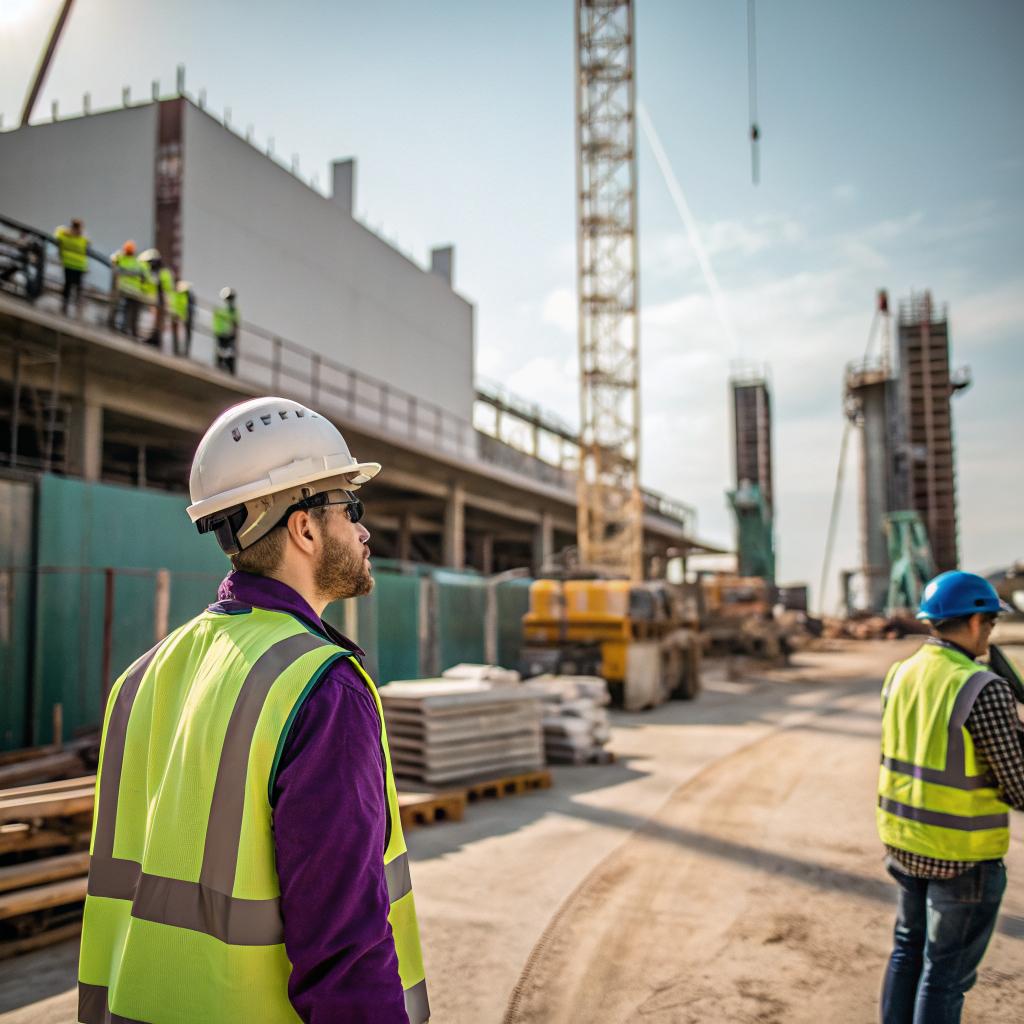
What if I told you that one of the more interesting tech stories right now is hiding in a roofing company in Missouri, not in a glass tower in San Francisco?
The short version: The Wright Construction & Roofing Company treats every roof like a live data project. They mix inspection apps, drones, simple automation, and very boring but disciplined processes to cut waste, speed up jobs, and keep people safe. They are not trying to be a startup, but they behave a lot like one that happens to install shingles instead of shipping code.
They are not alone. Plenty of trades are shifting this way. But I think construction is one of the clearest examples of what happens when a traditional field quietly borrows ideas from tech.
You might be building a SaaS tool, a dev shop, or something very different. Still, the way this company experiments, measures, and ships small improvements feels familiar if you live in the tech world.
Why a roofing company behaves like a startup
If you strip away the scaffolding and hard hats, a construction project looks a lot like a software project:
- You start with a messy problem that is never the same twice.
- You have limited time, a fixed budget, and a long list of unknowns.
- Communication breaks easily between the people who sell, design, and build.
- Clients change their minds once they see progress.
The Wright team seems to have accepted that chaos is normal. Instead of pretending everything can be planned perfectly, they run jobs in a way that feels iterative.
They do not use that word on a billboard, of course. But look at how they work and you notice patterns any engineer would recognize.
They treat each roof as a small experiment, not a one-off job to forget as soon as the invoice is paid.
That sounds simple. It is not. You need habits, tools, and a culture that tolerates small changes that might slow you down this week but save you a lot of time in six months.
So what are they actually doing, beyond just adding drones and calling it a day?
How they build a tech stack around a hammer
It is easy to slap an app on a phone and claim progress. The harder step is convincing crews, sales staff, and owners to adjust how they work.
The Wright Construction & Roofing Company uses a stack that looks surprisingly close to what a small tech team might run, but pointed at roofs instead of users.
1. Field data is the “codebase”
For a software team, code is the asset. For a roofing team, field data plays that role.
They gather data at three main points:
- Pre-job inspection
- Work in progress
- Post-job review
On each job they collect:
| Data Type | How they collect it | Why it matters |
|---|---|---|
| Roof measurements | Drone imagery, satellite tools, tape on tricky edges | Reduces material waste and ordering errors |
| Condition details | Photos, short video clips, checklists in an app | Finds hidden damage before it becomes a cost overrun |
| Weather exposure | Weather feeds linked to job records | Schedules around storms, protects materials |
| Safety incidents and near misses | Simple reporting form on phones | Tracks patterns and fixes root causes |
| Customer feedback | Short surveys, quick calls, sometimes text messages | Feeds into changes to crews, scripts, timelines |
I spoke with one small contractor last year who said they were “too small for that kind of stuff.” Then he walked me through three projects where bad measurements alone cost him almost a full profit margin.
That is the point. The Wright team is not doing research for fun. Every new data field has to earn its keep.
If a data point does not cut confusion, prevent a mistake, or shorten a job, they cut it from their process.
There is a lesson here for startups that drown in dashboards. A lean set of tracked measures, tied clearly to money and safety, often beats a complex report that no one reads.
2. Drones are not a toy, they are a risk reducer
Drones are not new. Plenty of roofing companies talk about them. What matters is how they are used.
For Wright, drones deal with three stubborn problems:
- Risk on steep or damaged roofs
- Inconsistent measurements across crews
- Customer doubt about what is actually wrong
A simple pattern repeats:
1. Pilot or trained crew member captures high resolution images.
2. Software maps the roof surface and edges.
3. They tag areas that need attention: soft spots, flashing, chimneys, vents.
4. The report becomes part of the quote and the crew briefing.
On a practical level, this changes a few things:
| Old way | New way with drones |
|---|---|
| Inspector climbs, walks, guesses on some angles | Inspector guides drone flight, then reviews images on the ground |
| Measurements differ by crew | Measurements pulled from the same mapping tool |
| Customer sees a few phone photos | Customer gets a zoomable overview of their roof |
It is not about showing off hardware. It is about making the risky part of the job less risky and the fuzzy parts less fuzzy.
For a tech reader, this might sound almost boring. It is that same logic you use when you replace manual QA with test suites. You are trading some setup time for consistent, predictable checks.
The interesting thing is that the crews can push back at first. Many field workers have been burned by “new systems” that slow them down. The ones that stay in place over time are the ones that reduce backtracking and arguments.
3. Customer experience runs on simple workflows, not slogans
Instead of trying to “wow” customers with grand claims, they focus on clear steps.
A roof job is stressful for a homeowner. It feels expensive, loud, and messy. So Wright breaks the process into stages that are simple to explain, then attaches tools to each stage.
A typical project:
- Inquiry and basic screening
- Inspection and scope
- Proposal and insurance dance, if needed
- Scheduling and material staging
- Work, daily touchpoints, cleanup
- Final walk-through and follow up
At each phase they aim for one main outcome, not ten.
For example:
| Phase | Main outcome | Supporting tool |
|---|---|---|
| Inspection | Clear picture of current roof condition | Drone imagery, checklist app |
| Proposal | Simple decision for the customer: repair or replace | Side by side line items, photo callouts |
| Work | Predictable schedule with few surprises | Shared calendar, daily text updates |
| Follow up | Customer feels safe calling if something looks off | Warranty info, single contact point |
This focus on one outcome per phase feels very “product-minded”. Many tech teams talk about this idea but end up stacking features on every screen.
Construction forces restraint. If the inspector tries to cover ten topics at once, people get lost. So they trim.
One phase, one main promise. Repeat that enough times and trust starts to feel normal, not like a sales pitch.
I think more software teams could benefit from forcing themselves into this kind of discipline, especially in onboarding and support flows.
Experimenting like a dev team, but with shingles
So far this might sound like simple digitization. Use drones, use apps, great. The deeper story is how Wright treats every new process or tool as an experiment.
They run small, time-boxed trials on real jobs.
1. Small tests, real consequences
They do not roll a new workflow across every crew on day one. They pick a problem, define success in plain terms, then test on a subset of work.
For instance:
- Goal: Cut missed materials on site by 50 percent in 3 months.
- Change: New pre-job checklist that includes extra photos and a staged material review.
- Test group: Two crews, one project manager.
- Measure: Number of trips back to the supplier per job.
At the end of the period they look at:
| Metric | Before | After |
|---|---|---|
| Average extra trips per job | 2.1 | 0.9 |
| Average crew overtime hours | 5.4 | 3.2 |
| Customer schedule complaints | Common | Less common |
If the numbers look good and crews do not hate the change, they standardize it. If the numbers are weak or morale takes a hit, they rework it or drop it.
You would recognize this from feature flags, A/B tests, or staged rollouts. The same thinking applies when your “users” are roofers who climb ladders for a living.
2. Feedback loops between crews, office, and customers
In software you fight disconnects between product, engineering, and support. In construction you fight disconnects between sales, office, and field crews.
Wright tries to close that loop with simple habits:
- Regular short check-ins between project managers and crews
- Post-job debriefs that last 10 to 15 minutes
- A place to store recurring issues and ideas
It is not about long meetings. Short, focused check-ins work better. For example:
| Meeting | Frequency | Main question |
|---|---|---|
| Daily huddle during active jobs | Daily | What could block us today? |
| Weekly crew call | Weekly | What slowed you down this week? |
| Monthly office review | Monthly | What patterns in delays or rework are we seeing? |
Customer feedback also feeds into this. Positive or negative comments are linked back to job records, not left in an email thread.
One project manager told a story about a homeowner who was frustrated about debris in the yard. Instead of just apologizing, they asked:
“At what point in the job did it bother you most?”
That answer led to a small but clear change: mid-day cleanup on longer projects, not only at the end.
Tiny detail. But when you collect a hundred of these, it looks like a product roadmap for your service.
3. Documentation that people actually read
Plenty of companies write process docs that no one touches after the first week.
The Wright approach feels closer to an internal wiki that evolves slowly. Not perfect, but living.
They keep documents:
- Short
- Job specific
- Filled with images, not just text
For each common job type, they maintain a simple guide:
| Job type | Guide contents |
|---|---|
| Residential asphalt replacement | Prep checklist, safety tips, photo examples of tricky edges |
| Flat commercial roof | Drainage checks, common failure points, material handling notes |
| Storm damage repair | Insurance coordination steps, temporary patch methods |
As crews find new edge cases, they send in pictures or quick notes, and the guide gets updated. Sometimes not right away, which is normal. But it happens often enough that people trust the docs.
This is no masterpiece of technical writing. It is more like a shared notebook. Still, that is often enough to prevent each crew from re-learning the same lessons.
Safety and risk as design constraints, not paperwork
If you work with software, risk looks like downtime, data loss, or angry users. On a roof, risk looks like injuries, falls, and property damage.
That difference changes how you design systems.
1. Safety by default, not by exception
Many companies treat safety rules as something you check at the start of a job and forget. Wright aims for the opposite: make the safe action feel like the easier action.
Examples:
- Tooling that keeps ladders tied off by default, not as an option
- Standard setups for harness anchor points on common roof shapes
- Load limits built into material staging plans
They also treat near misses as signals, not just events to file away. If a crew records a ladder slip even without injury, that triggers a pattern check:
| Question | Why it matters |
|---|---|
| Did it happen at the same time of day? | Maybe crews are rushing to finish before dark. |
| Same crew or different? | Could be training related or gear related. |
| Same roof type? | Certain pitches or surfaces might need extra steps. |
If a pattern cannot be explained cleanly, they will adjust the setup checklist, not just remind people to “be careful.”
Instead of blaming people, they assume the system made the unsafe choice too easy and try to fix that first.
This mindset feels quite close to how good SRE teams treat outages.
2. Weather as a first-class variable
For tech teams, external conditions might be regulations or infrastructure limits. For roofers, weather rules everything.
Wright tracks weather in a disciplined way:
- Forecasts linked to job records
- Trigger points for tarp use, material covering, or rescheduling
- Guidelines for temperature ranges on certain materials
You could see this as basic common sense. Still, without a system, human optimism wins. People push through borderline conditions and regret it later.
By tying weather data to scheduling, they reduce rework and warranty claims. This is not glamorous, but it is very practical risk management.
Again, the parallel to tech is interesting. Rain on a roof is like traffic spikes on a server. You cannot stop them, but you can shape your system around them.
Cultural habits that look strangely familiar to tech workers
Tools are easy to copy. Culture is harder. That word is overused, but here it simply means “how people behave when no one is watching.”
Several habits inside The Wright Construction & Roofing Company feel quite close to what good engineering teams aim for.
1. Respect for constraints
High growth stories often focus on bold ideas. In construction, the bold idea that ignores physics or budget does not last long.
Wright crews work under tight constraints:
- Material costs that move with markets
- Local building codes and inspections
- Seasonal demand spikes
Rather than complain, they use constraints as design inputs. For example, if a certain underlayment becomes hard to source, they do a small set of tests on an alternative product instead of switching everything at once.
Tech teams could learn from that kind of grounded patience. You can still be ambitious, but reality keeps you honest.
2. Apprenticeship over pure theory
Engineering has internships and junior roles. Construction has apprenticeships.
New hires at Wright do not just read manuals. They shadow experienced crew members, learn the rhythm of a job site, and pick up small cues that you cannot capture in a spec sheet.
This raises an interesting question for software teams: are we underusing apprenticeship? Are we relying too much on docs and tickets, and not enough on pairing?
Construction reminds us that some skills move best from one person to another in real work, not via slides.
3. Quiet pride in quality
There is marketing about quality and then there is the quiet version: a crew lead who cannot leave a site until a small detail feels right, even if no one else will notice.
I have seen this in senior engineers who care about clean interfaces no user will ever see.
Roofing has it too. Examples:
- Extra time flashing a chimney correctly because you know shortcuts leak in three years.
- Re-doing a slightly crooked ridge line instead of hoping the homeowner will not notice.
- Taking clear before and after photos even when no one asked, just in case questions come later.
The small, invisible acts of care often separate a forgettable contractor from one that gets quiet referrals for years.
For startup founders, this is a useful reminder. Not every advantage needs a press release. Some of the strongest ones sit in details only your best people obsess over.
Where tech and roofing could intersect next
If you work in tech, you might wonder what to build for fields like roofing without falling into buzzwords.
Some areas where real problems still exist:
1. Better tooling for small contractors
Many software products target large construction firms. Smaller shops get bloated tools or spreadsheets.
Interesting gaps:
- Lightweight scheduling that respects weather and crew skills
- Simple material tracking that links to job photos
- Shared job notes that work well on patchy cell service
Wright has bridged some of these with a mix of off-the-shelf software and their own tweaks, but there is still space for purpose-built, simple tools.
If you are thinking of building for this space, talk to field crews early, not just office staff. They feel the friction most directly.
2. Better ways to teach and assess craft skills
You cannot learn roofing from a YouTube video alone. But you also cannot pull a master roofer out of thin air.
I could see a mix of:
- AR overlays that help new workers see proper nailing patterns
- Short, job-specific micro lessons tied to weather or roof types
- Remote coaching tools so a senior person can advise multiple sites
Wright is already doing the low tech version of this with photo based guides and phone calls. Tech could make that richer without replacing the human part.
3. Transparency tools for homeowners and building owners
Many people feel lost during roof work. They cannot judge quality, only price and reviews.
Opportunities:
- Clear job timelines that adjust as weather or scope shifts
- Simple visual trackers that show what has been done today
- Warranty and maintenance reminders tied to actual materials used
The company already uses basic versions of this, like photo updates and shared calendars. Still, there is room for tools that make it easier for both sides to stay in sync.
What can a tech founder learn from a roofing crew?
If you strip the roofing context away, a few patterns stand out that apply directly to startups:
- Collect only the data you will use and tie it to money, safety, or trust.
- Run small tests in the real world and decide based on what actually happened.
- Build tools that fit into existing habits instead of fighting them.
- Respect constraints as design inputs, not annoyances.
- Let quiet, consistent quality compound over years.
And maybe the most underrated point: stay close to the work. Owners at Wright still walk sites, talk with crews, and listen to customers complain about small things.
There is no app that replaces that.
When leaders stop touching the real work, they start designing systems for a company that exists only in their slides.
Q & A: Quick questions you might still have
Q: Is this level of process and tooling overkill for a small contractor?
A: It can be, if copied blindly. The key is gradual change. Wright did not flip a switch. They added one new practice at a time, kept what worked, and threw away what did not. The size of the company matters less than the habit of honest review.
Q: Are drones and apps really worth the cost for roofing?
A: For some jobs, yes. For others, a ladder and a tape are still fine. The value shows up in fewer injuries, more accurate quotes, and less rework. If a tool does not pay off in those terms, they either adjust how they use it or stop.
Q: What should a tech founder copy first from this story?
A: Do a blunt review of one recurring type of work you do. Map it step by step. Ask where confusion, rework, or risk show up most often. Then change a single step, track it for a real period of time, and decide with data instead of hunches. That is exactly how a good roofing crew and a good engineering team both get better, one job at a time.